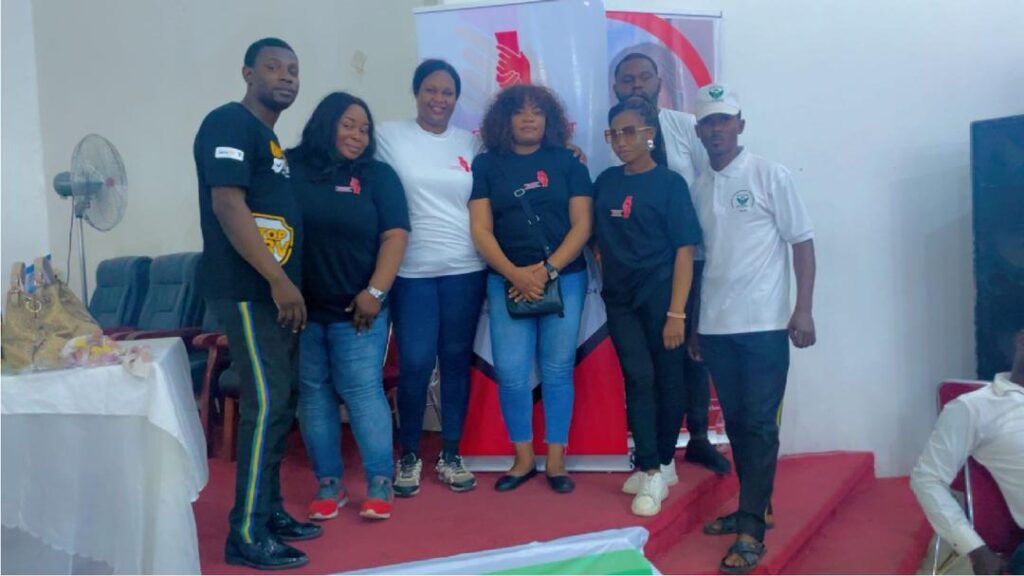
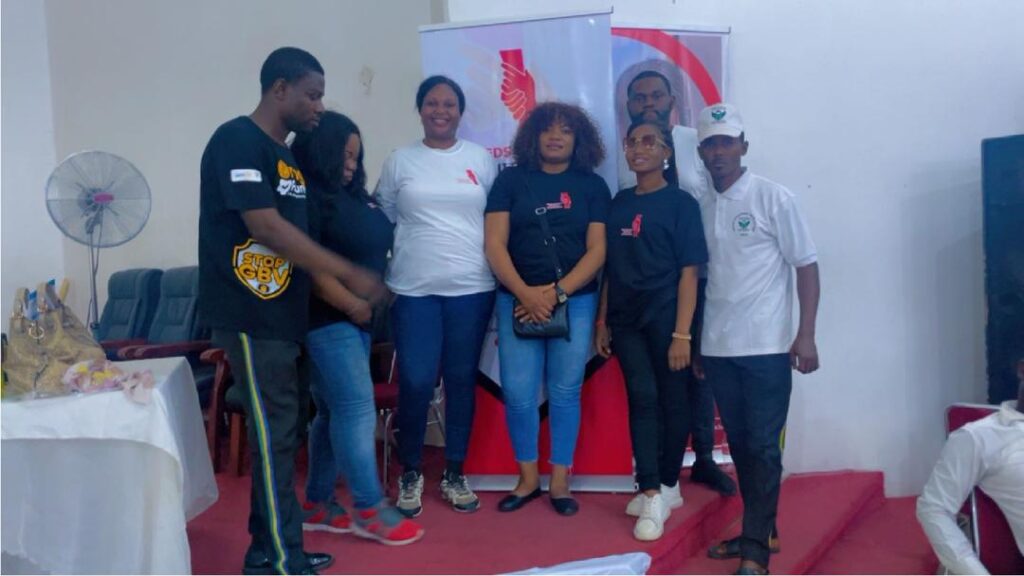
At Deeds Support Initiative International, we believe prevention is the best protection.
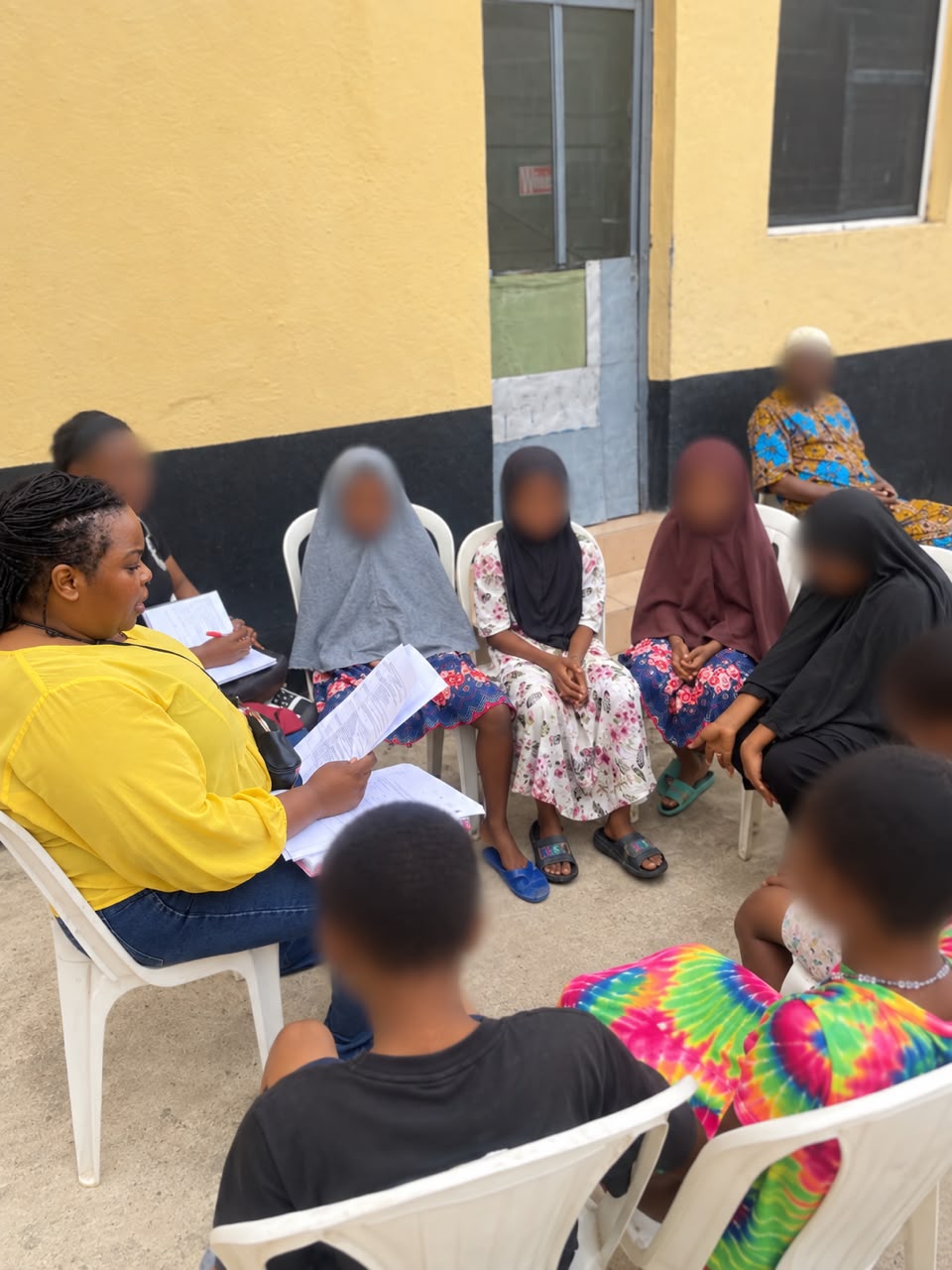
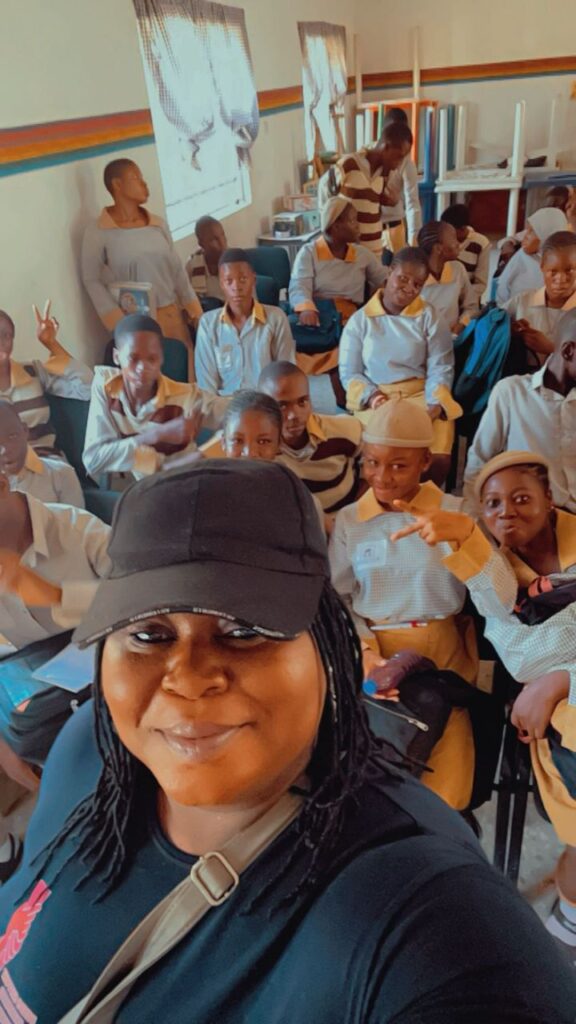
Today our team engaged a group of amazing girls aged 9-14 on the importance of the HPV vaccine — a safe, effective vaccine that protects against cervical cancer, one of the leading causes of cancer deaths in women in Nigeria.
We educated them on:
What HPV is
How it affects women’s health
Why getting vaccinated early (between 9-14 years) offers the best protection
Every girl deserves the chance to grow up healthy, informed, and protected. We are committed to ensuring no girl is left behind.
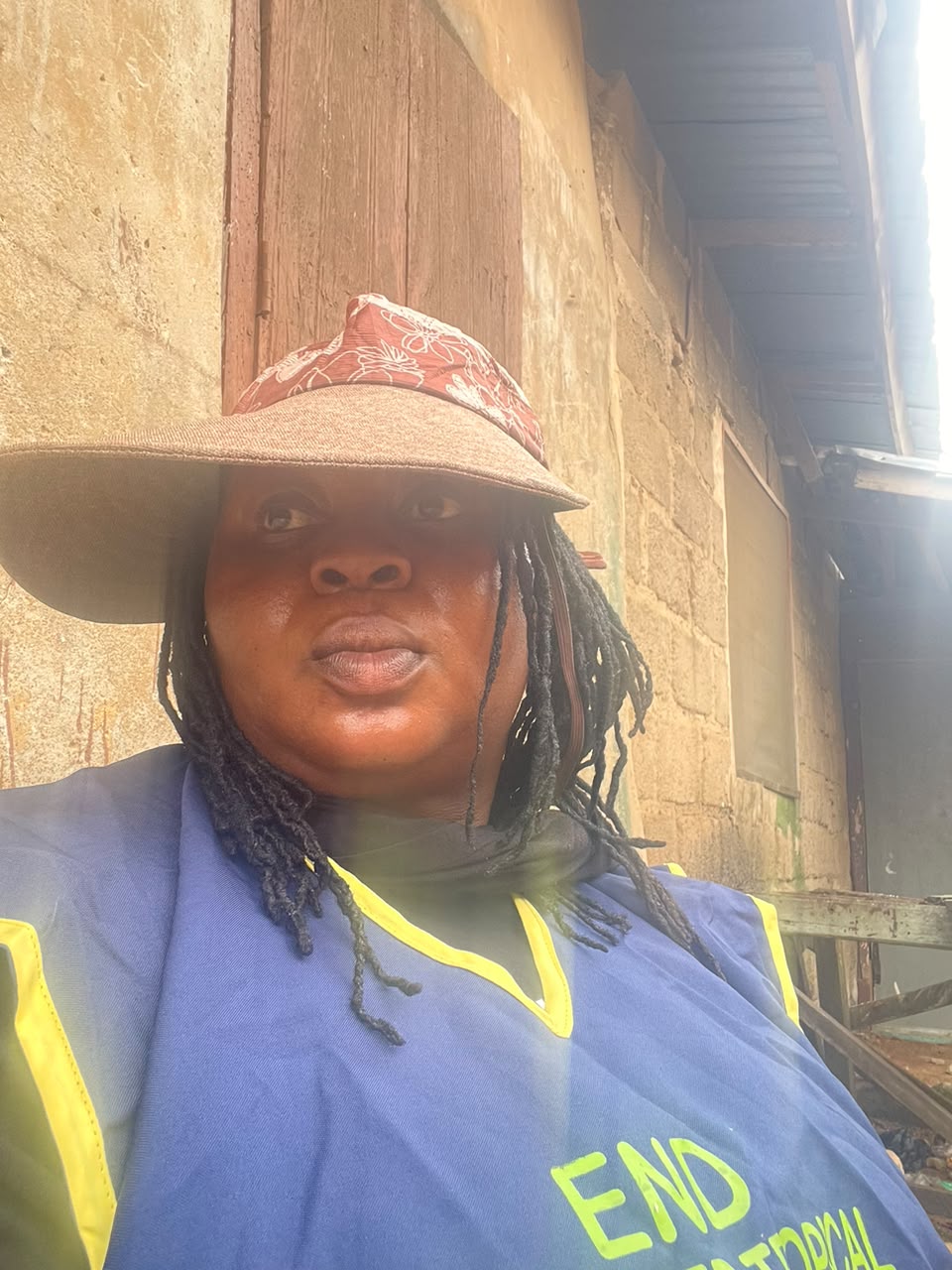
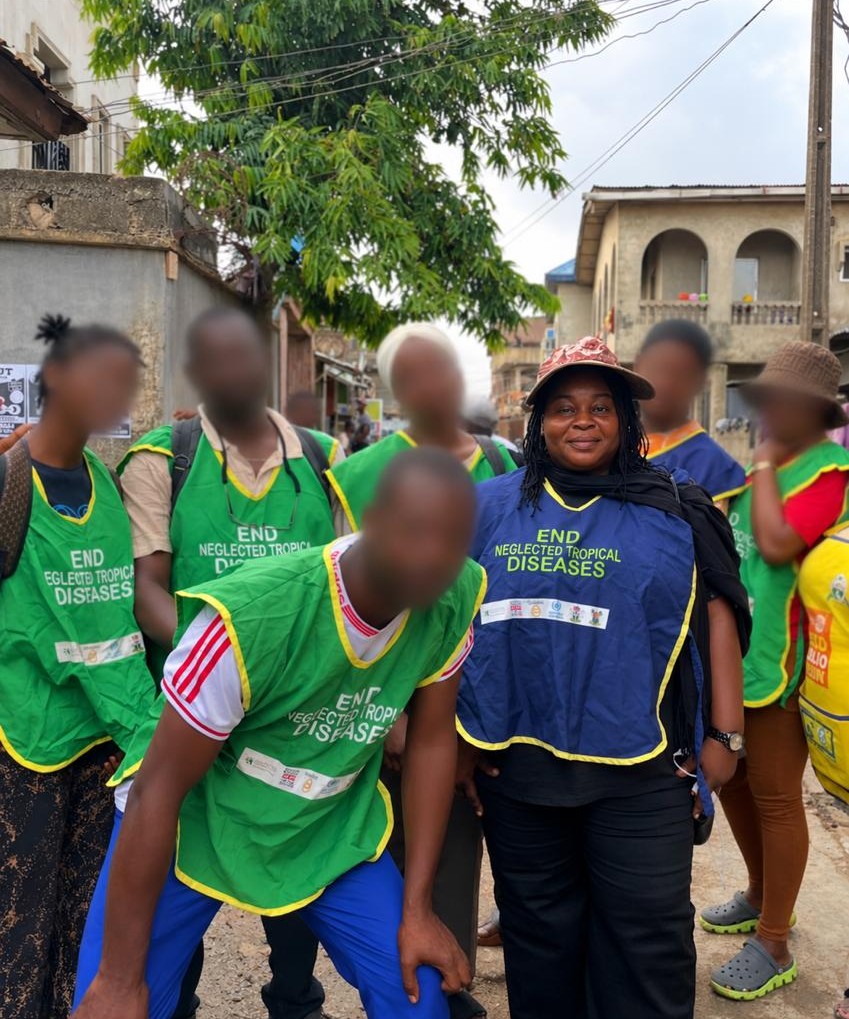
Deeds Support Initiative International (DSII) participated in a community-based public health project in Lagos focused on tropical and neglected tropical diseases (NTDs). The project promoted disease prevention, hygiene, early recognition of symptoms, and appropriate healthcare-seeking behaviour.
Through community sensitisation and awareness activities, DSII engaged vulnerable communities with practical health information aimed at reducing the impact of tropical diseases and improving community wellbeing.
The project strengthened DSII’s experience in community health promotion, awareness creation, stakeholder engagement, and grassroots development.
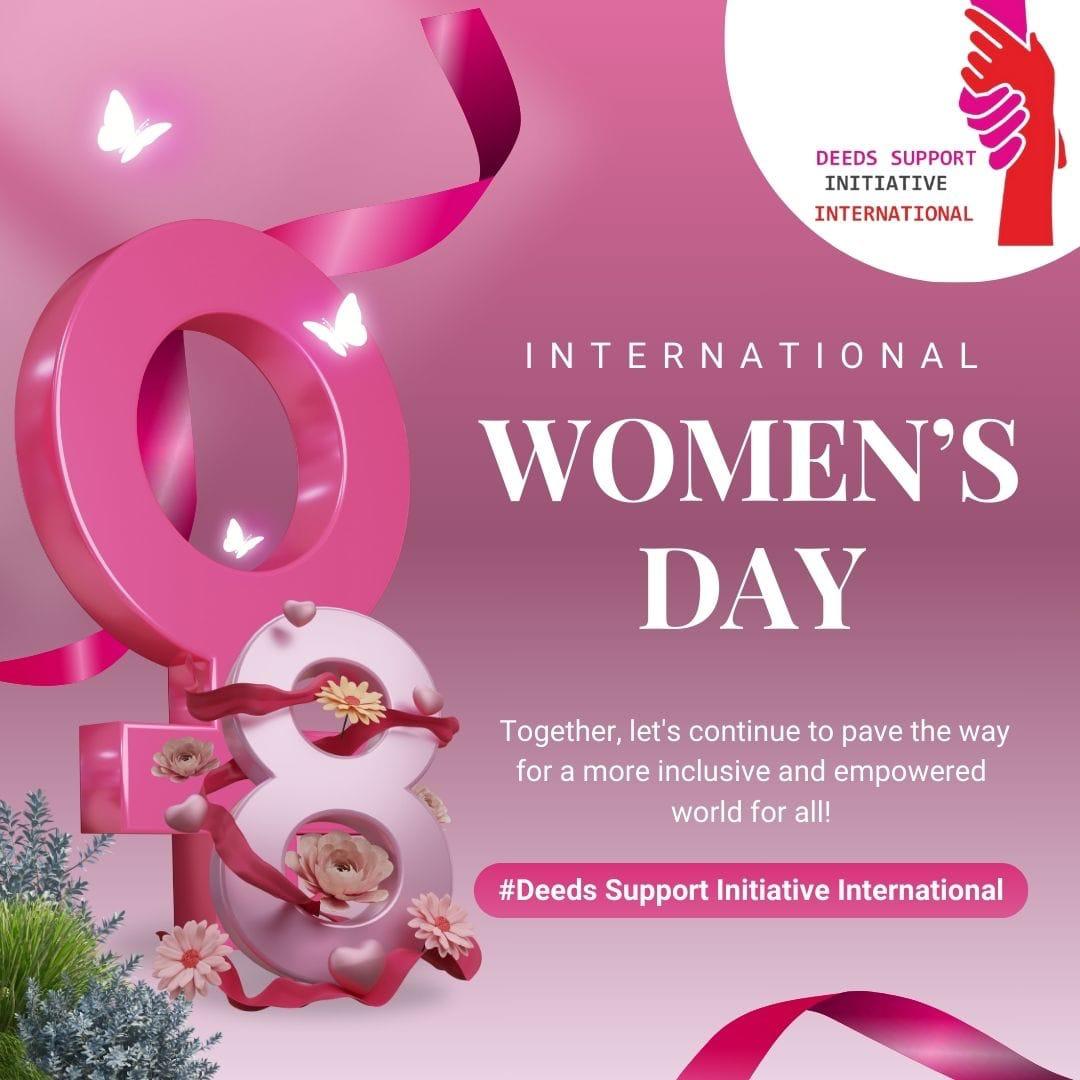
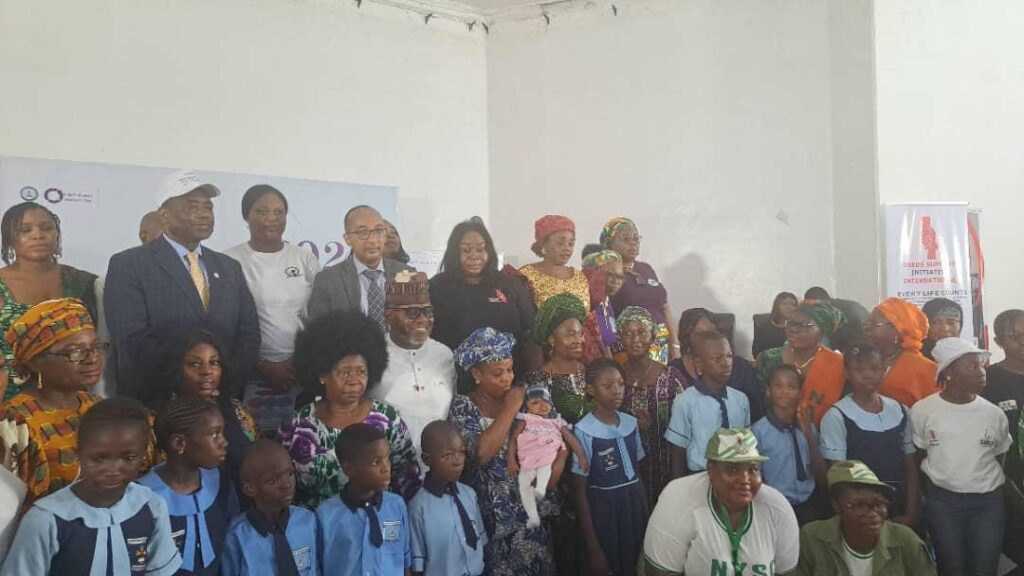
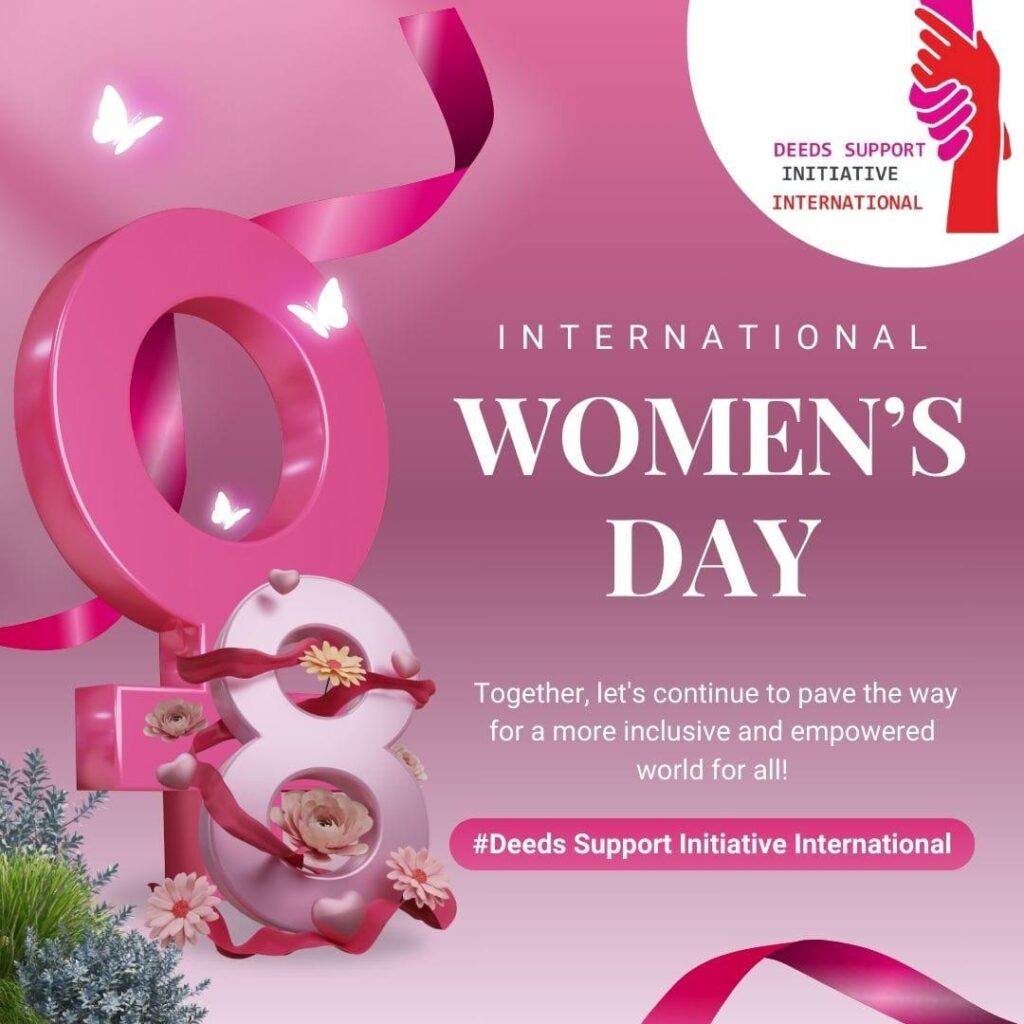
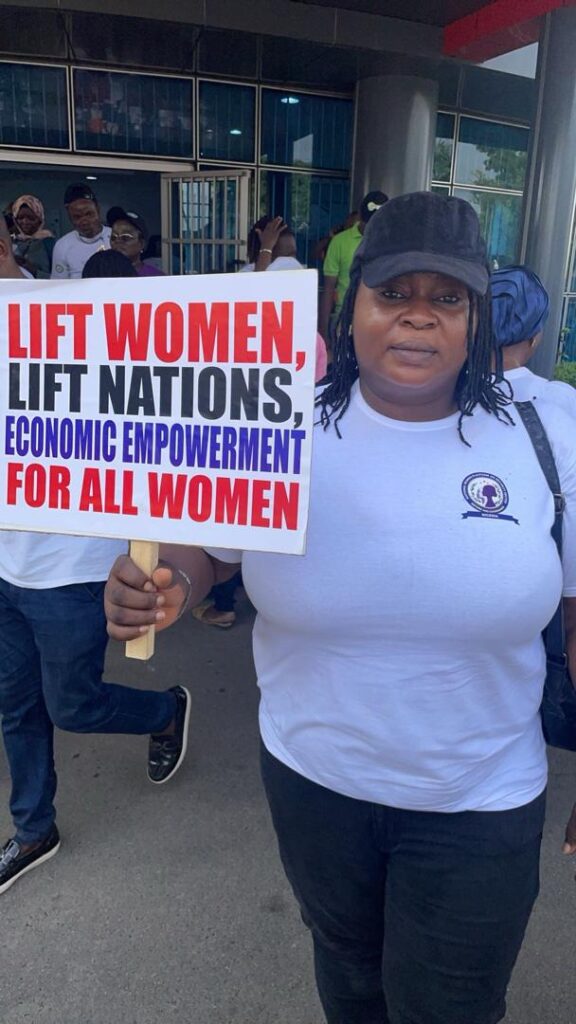
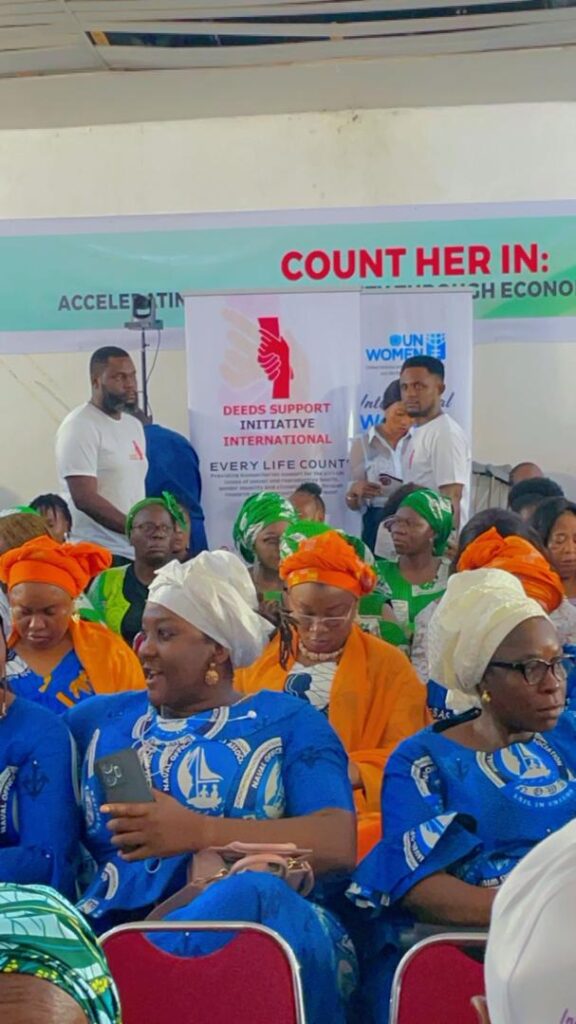
International Women’s Day 2024 was a moment to celebrate the strength, resilience, and achievements of women around the world. This year’s theme, “Invest in Women: Accelerate Progress,” highlights the importance of supporting women’s empowerment as a pathway to sustainable development.
DSII was present at the IWD celebration and remains committed to promoting gender equality and creating opportunities that empower women and girls to thrive, lead, and contribute meaningfully to their communities. Through continued support and collaboration, we can accelerate progress toward a more inclusive and equitable future for all.
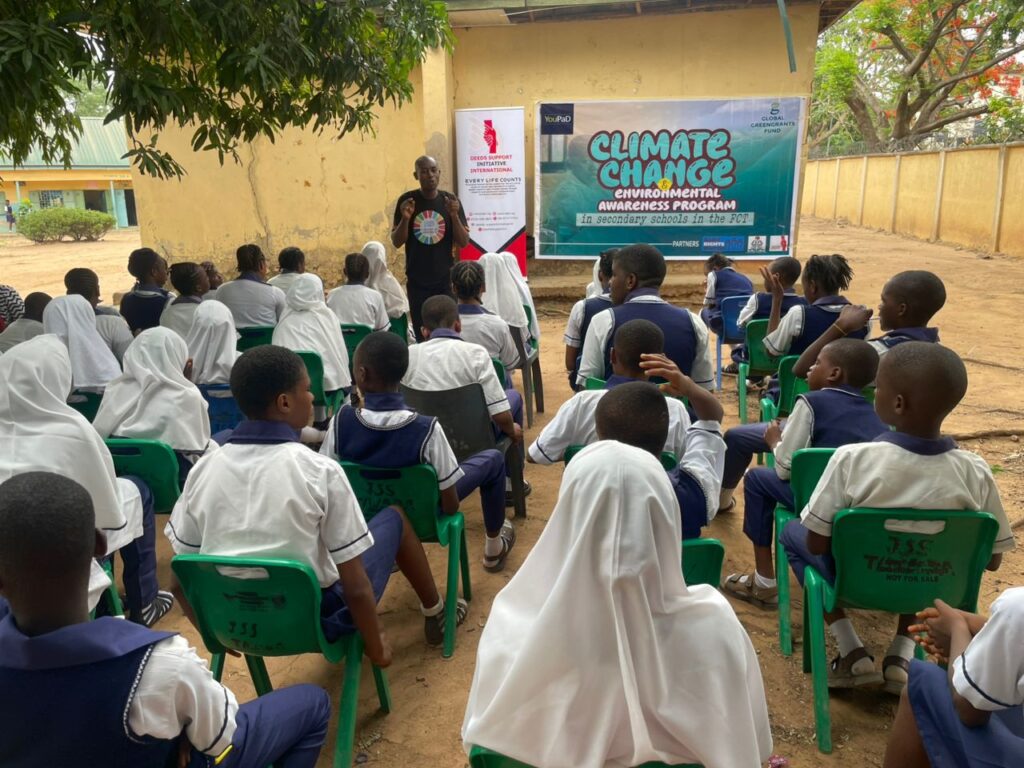
climate change and environmental awareness program
Introduction:
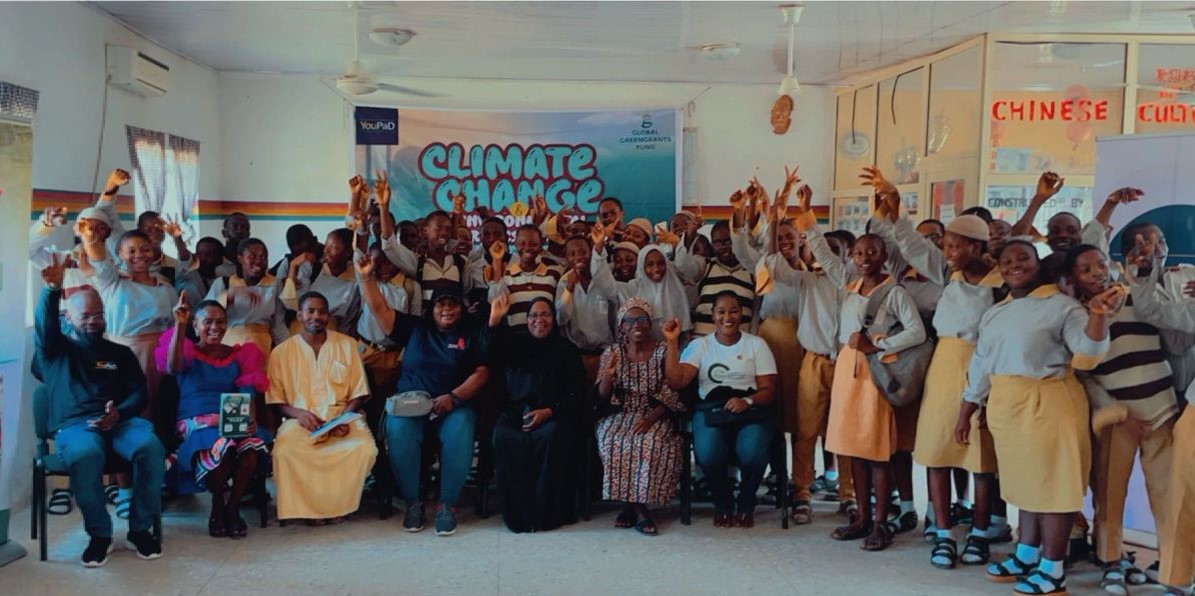
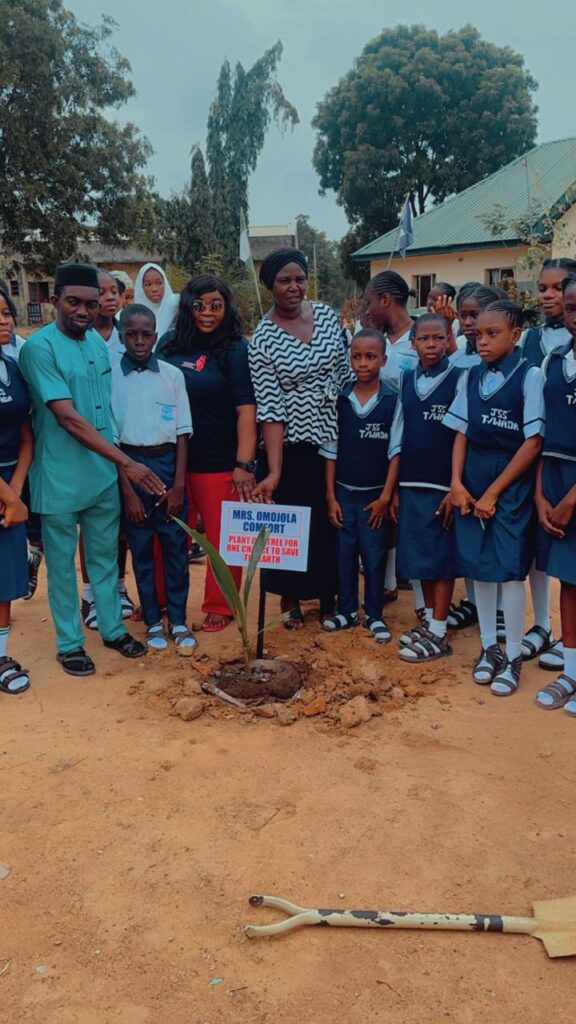
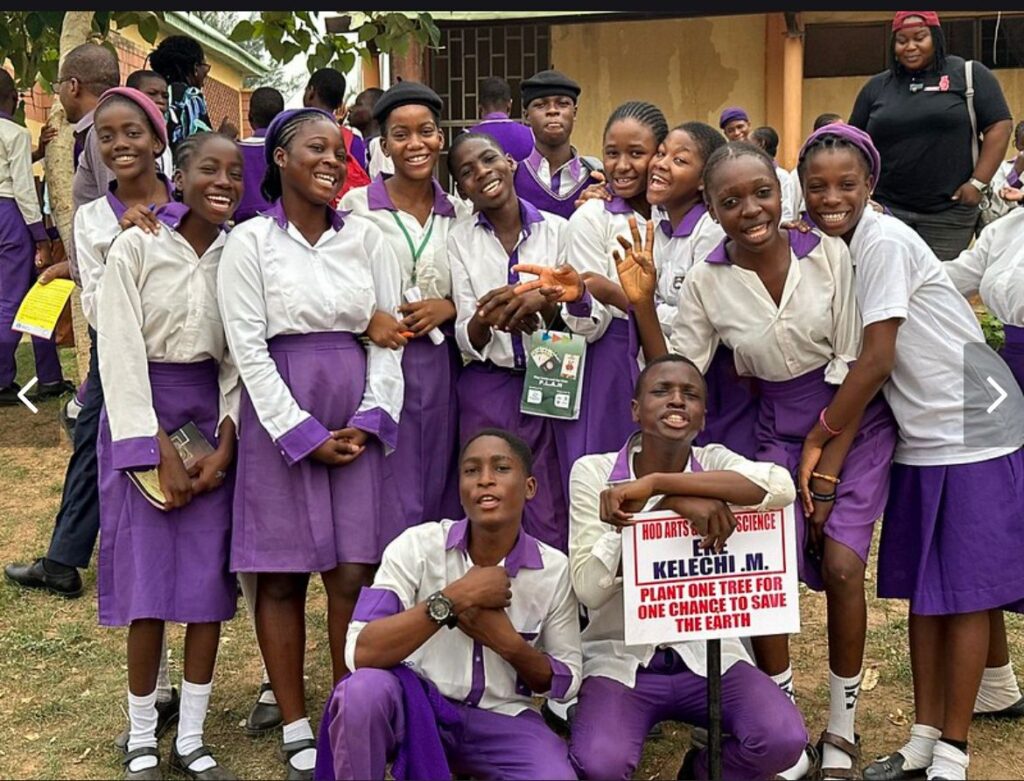
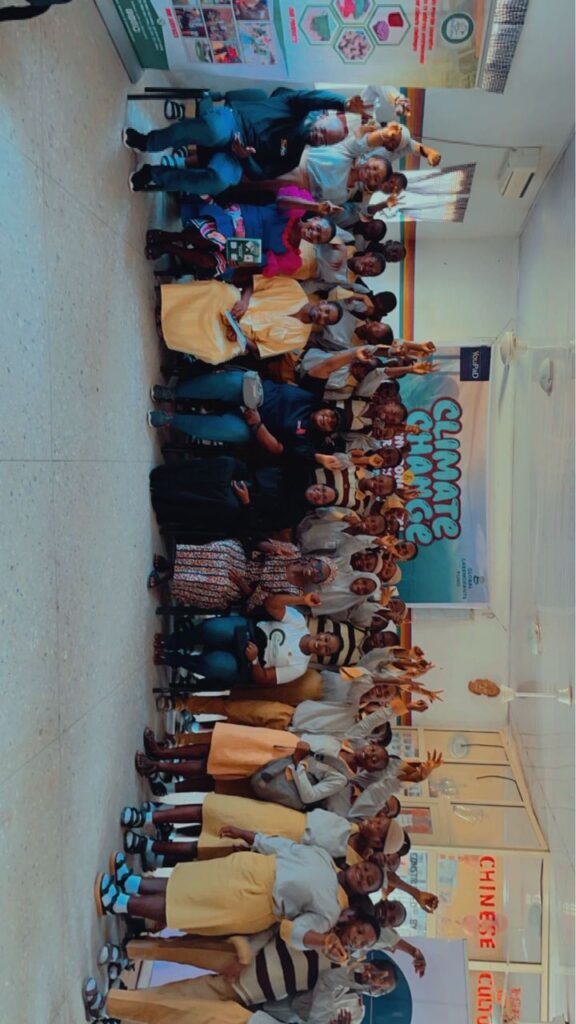
The purpose of the outreach was to educate students about climate change and environmental awareness. It is essential for children to understand the dangers facing our planet and learn practical ways to prevent further environmental damage.
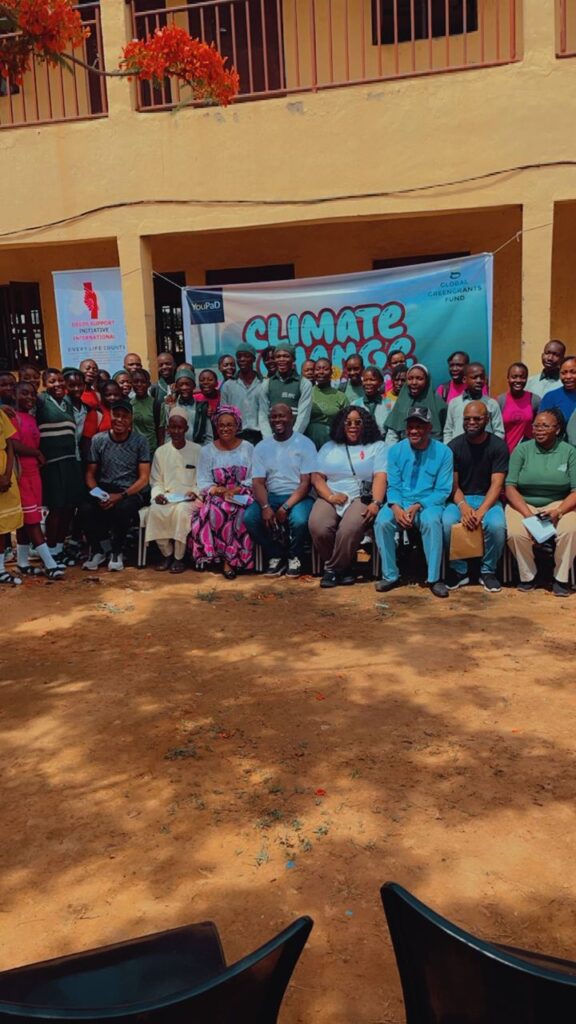
The outreach was organized by Deeds Support Initiative International in partnership with YOUPAD, Basic Rights Watch, and other collaborators, with sponsorship from GreencardFunds.
The program reached the following secondary schools:
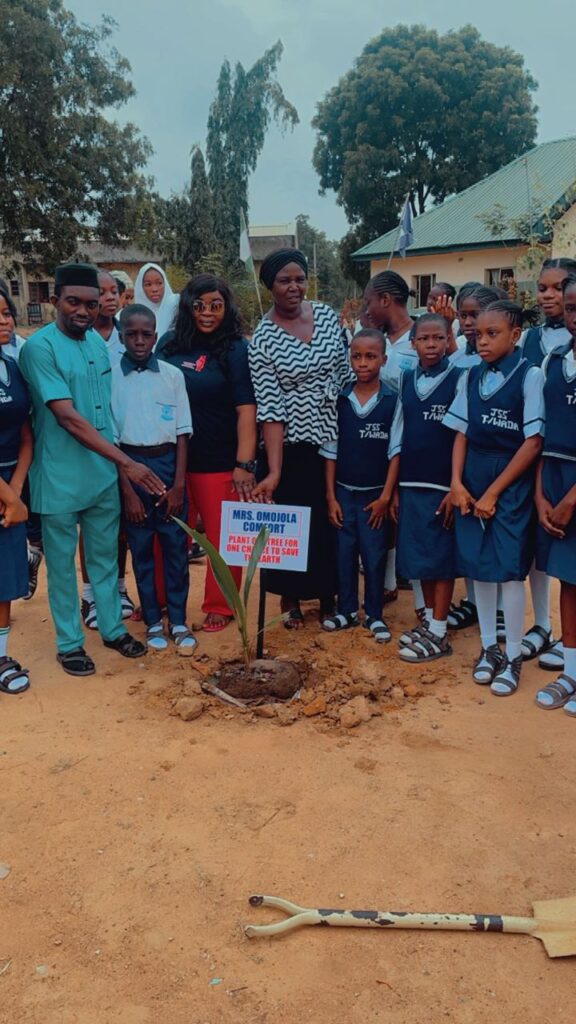
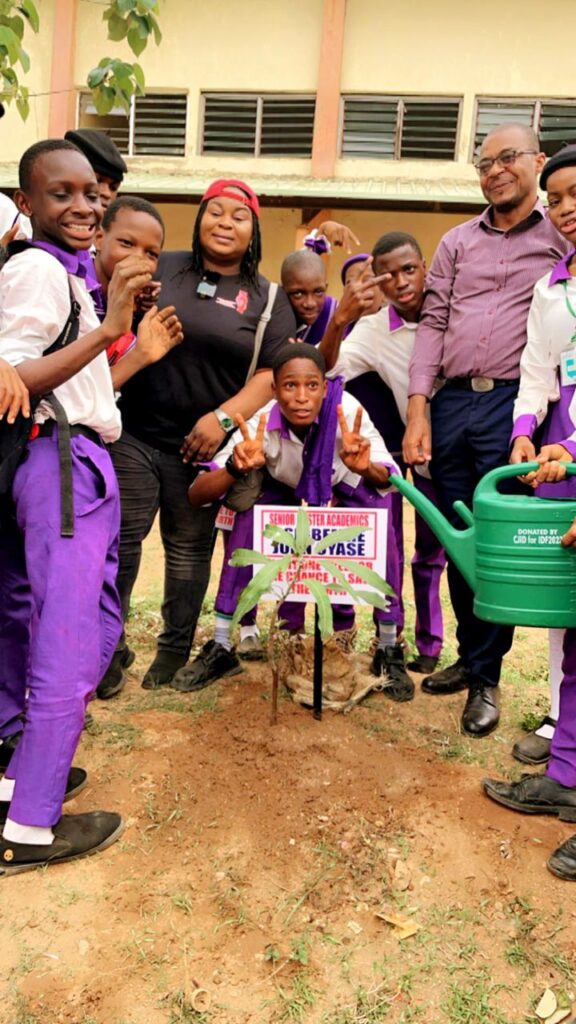
Government Secondary School Tundu Wada, Zone 4 – 7th May 2024
Government Secondary School Apo – 8th May 2024
Program Highlights and Speakers:
Austin Ekwujuru opened the session by presenting the meeting objectives and outlining the expectations for the outreach.
Mrs. Folasade Adepoju focused on how climate change affects daily life. She introduced students to various aspects of climate change, including its causes, impacts, and mitigation strategies.
Mr. Uko N. Walter discussed Integrating Climate Change into the School Curriculum, emphasizing the importance of building a generation of environmentally conscious citizens and preparing students for future challenges.
Zainab Yunisa from the Children and Youth Constituency of the UNFCCC provided students with information about opportunities within the UNFCCC Children and Youth Constituency, including scholarships and programs in climate change and environmental studies.
Mr. Chidiebere Ugwu presented on Economic Trees and Call to Action, highlighting the importance of the Sustainable Development Goals (SDGs), particularly SDG 1 (No Poverty), SDG 2 (Zero Hunger), and SDG 13 (Climate Action).
Emmanuella Dike of Deeds Support Initiative International delivered the closing remarks.
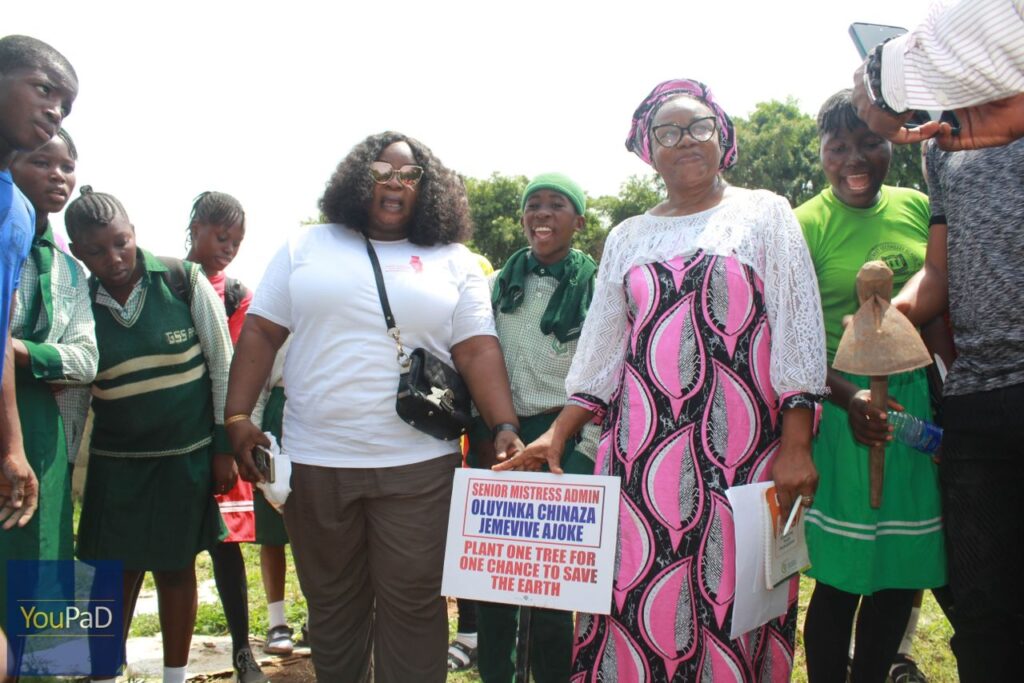
The program’s key highlights included creating awareness on climate change, the impact of deforestation, renewable energy, waste management, and tree planting initiatives.
Engagement and Impact:
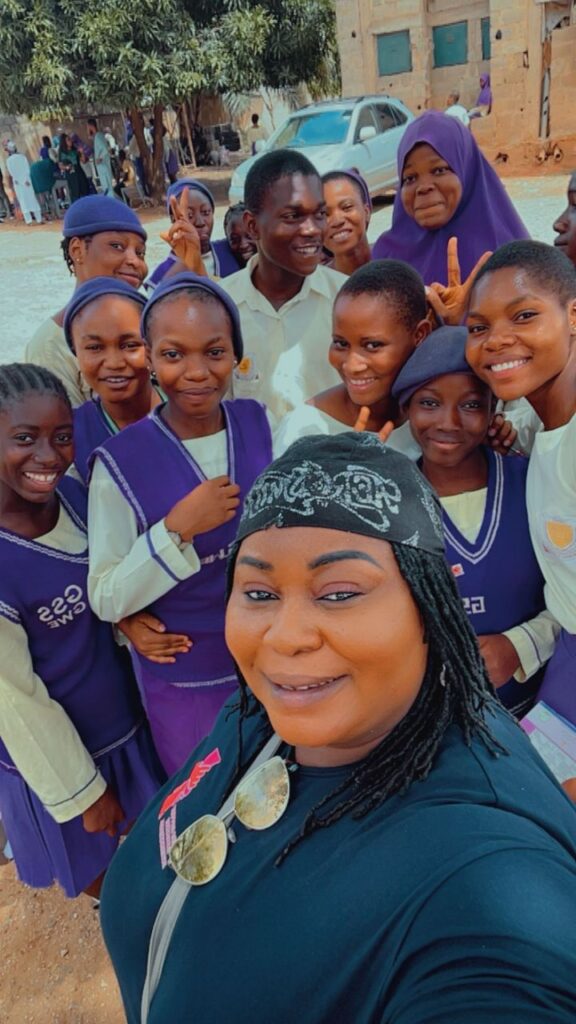
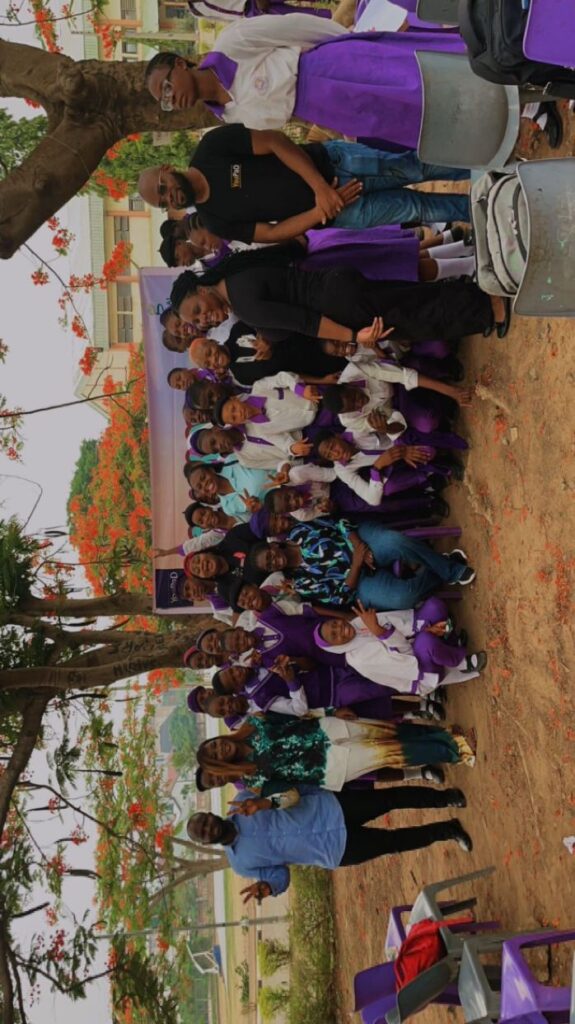
It was truly encouraging to see how engaged and passionate the students were during the outreach. They actively participated, asked insightful questions, and demonstrated genuine interest in the topics discussed.
From my observations, the program significantly increased awareness, influenced attitudes, and encouraged potential behavioral changes regarding environmental conservation. The students gained valuable knowledge and practical insights that can help them make more environmentally responsible decisions in the future.
Challenges:
We encountered a few challenges during the program, including:
Scheduling issues: We were unable to bring senior and junior students together at the same time.
Resource limitations: There was a lack of resources such as microphones.
To address these challenges:
We conducted two separate sessions to accommodate both senior and junior students.
Regarding the microphone issue, we ensured that presenters spoke more audibly so everyone could hear clearly.
Recommendations:
For future outreach program, there is need for incorporating more interactive activities, involving local environmental experts, or extending the duration of the program.
Continued education and awareness about climate change and environmental issues in secondary schools are essential, as today’s students are tomorrow’s leaders. Educating them early ensures they develop the knowledge, skills, and responsibility needed to protect the environment and make sustainable decisions in the future.
Conclusion:
On behalf of DSII, we express our sincere gratitude to YOUPAD, Government Secondary Schools Tundu Wada and Apo, and the students for their active participation and support.
Promoting environmentally friendly actions is a crucial step toward mitigating climate change. Since climate change is a global issue, the future of our planet depends on the choices and actions we take today.
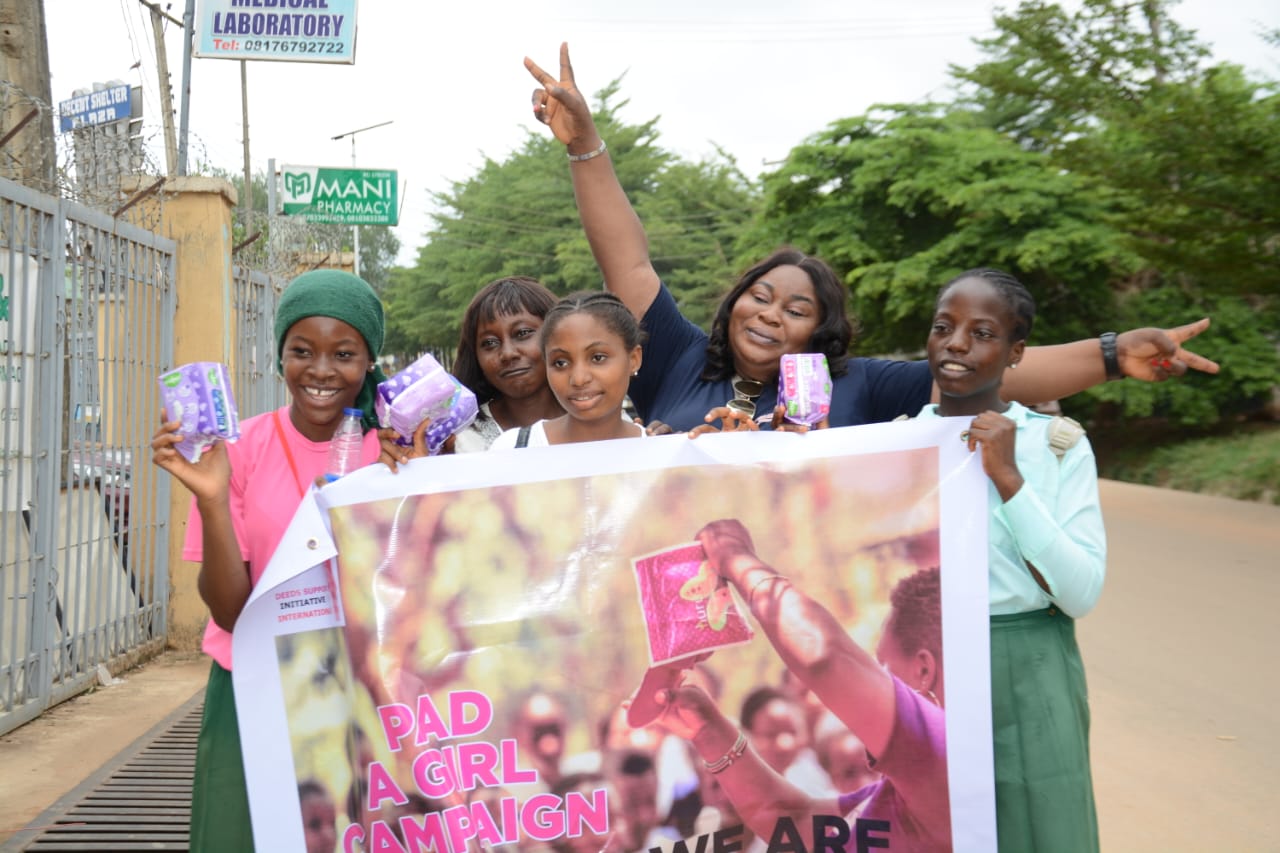
Access to menstrual hygiene should never be a luxury, yet it remains a significant hurdle for many young girls. We are inspired to highlight the “Pad a Girl Campaign,” a powerful initiative spearheaded by Deeds Support Initiative International.
With a bold goal to reach 1,000 girls, this organization is hitting the streets to provide free sanitary supplies directly to those who need them most. Their work does more than provide products; it:
Restores Dignity: It ensures that menstruation is managed with hygiene and confidence.
Keeps Girls in School: By removing the barrier of period poverty, they are helping to ensure that girls don’t have to miss vital educational time due to a lack of supplies.
Breaks the Stigma: By openly discussing and advocating for menstrual health, they are normalizing the conversation and supporting the well-being of the girl child.
We applaud the team at Deeds Support Initiative International for their hands-on approach and their commitment to uplifting young women in their community. Initiatives like this are the building blocks for a healthier, more equitable future.