Blog

  • One Nation, One People, One Future: DSII Celebrates Nigeria at 66

    One Nation, One People, One Future: DSII Celebrates Nigeria at 66

    Happy new month, and happy Independence Day, Nigeria.

    Today, as our nation marks 66 years of independence, Deeds Support Initiative International joins Nigerians at home and abroad in celebrating our freedom, our unity and the resilience that has carried us this far.

    Independence is not only a date in our history. It is a reminder of the work still in front of us — the girl who deserves to finish school, the woman who deserves to live free of violence, the community that deserves clean air and a future worth inheriting. These are the commitments we carry into October and beyond.

    To every partner, volunteer, donor and community member who has stood with us: thank you. The progress we have made belongs to you as much as to us.

    May our nation continue to grow in peace, prosperity and good
    leadership. And may this new month bring renewed strength to every Nigerian working, quietly or publicly, for a better country.

    One nation. One people. One future. Together for a better Nigeria.

    — Deeds Support Initiative International

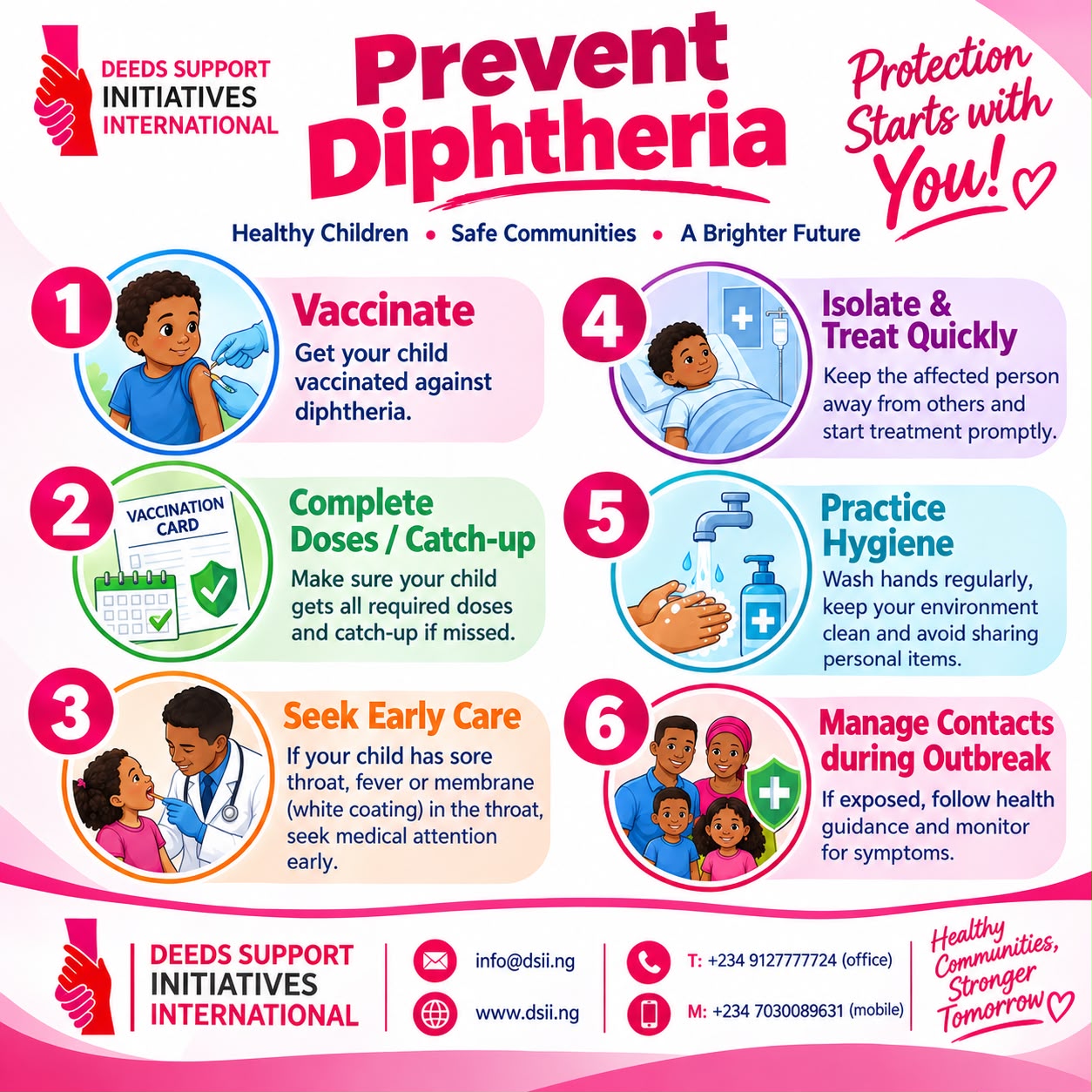
  • DIPHTHERIA: KNOW THE SIGNS, PREVENT THE SPREAD

    DIPHTHERIA: KNOW THE SIGNS, PREVENT THE SPREAD

    Vaccination • Awareness • Early Detection • Early Treatment

    Diphtheria is a serious bacterial infection that primarily affects the upper respiratory tract and can also affect the skin. The bacteria can produce a toxin that may damage the heart, nerves and other organs.

    Diphtheria is vaccine-preventable, but protection requires appropriate vaccination and, where recommended, booster doses. People who are unvaccinated or incompletely vaccinated are at greater risk.

    Diphtheria in Nigeria

    Diphtheria remains an important public-health concern in Nigeria.

    WHO’s 2026 regional rapid risk assessment continues to identify diphtheria as a significant public-health concern in Africa and emphasises the importance of preparedness, prevention and effective outbreak control.

    The continuing risk makes community awareness and vaccination particularly important.

    What Causes Diphtheria?

    Diphtheria is caused by toxin-producing bacteria known as Corynebacterium diphtheriae.

    It can spread from an infected person through respiratory droplets, such as those produced when coughing or sneezing, and through close contact with infected respiratory secretions or certain skin lesions.

    What Are the Symptoms?

    Symptoms may appear a few days after infection.

    Common warning signs include:

    • Sore throat
    • Fever
    • Weakness or tiredness
    • Swollen glands in the neck
    • Difficulty swallowing
    • Hoarseness
    • Difficulty breathing
    • Swelling of the neck
    • A thick grey or whitish membrane in the throat

    A membrane that interferes with breathing or swallowing can become life-threatening and requires urgent medical attention.

    Why Is Diphtheria Dangerous?

    Diphtheria can produce a toxin that damages tissues and organs.

    Serious complications can include:

    • Heart damage
    • Myocarditis
    • Nerve damage
    • Paralysis
    • Kidney complications
    • Airway obstruction
    • Respiratory failure
    • Death

    WHO notes that, without proper treatment, diphtheria can be fatal in a substantial proportion of unvaccinated cases.

    Prevention: Vaccination Is Key

    Vaccination is the most effective way to prevent diphtheria.

    Parents and caregivers should ensure that children receive diphtheria-containing vaccines according to Nigeria’s recommended immunisation schedule.

    Vaccination does not only protect an individual child—it also contributes to reducing transmission and protecting vulnerable members of the community.

    WHO emphasises that multiple doses and booster doses are required to establish and maintain protection against diphtheria.

    What Should You Do If You Suspect Diphtheria?

    If you or your child develops symptoms suggestive of diphtheria, particularly difficulty breathing, difficulty swallowing or a greyish membrane in the throat, seek medical attention immediately.

    Remember:

    DO NOT:

    • Attempt to remove a throat membrane yourself.
    • Delay medical attention.
    • Rely solely on home remedies.
    • Give antibiotics without appropriate medical advice.

    DO:

    • Seek medical care immediately.
    • Follow the healthcare professional’s instructions.
    • Avoid close contact with others where advised.
    • Inform healthcare workers about possible exposure.
    • Follow recommendations concerning testing, treatment and infection prevention.

    Treatment can include diphtheria antitoxin and antibiotics, and early treatment is important.

    Protecting Our Communities

    Preventing diphtheria requires collective action.

    Parents and caregivers

    Ensure children receive recommended vaccinations.

    Schools

    Promote health education and encourage parents to maintain children’s immunisation.

    Community leaders

    Support accurate health information and encourage families to seek medical care promptly.

    Healthcare workers

    Maintain vigilance for suspected cases and follow appropriate public-health procedures.

    Community organisations

    Support awareness campaigns and help communities understand the importance of vaccination and early treatment.

    DSII’S MESSAGE

    Diphtheria is preventable. Awareness saves lives. Vaccination protects communities.

    Deeds Support Initiative International (DSII) is committed to promoting health education and empowering communities with reliable information that can help prevent disease, encourage early healthcare seeking and protect vulnerable populations.

    Know the signs. Check vaccination status. Act early. Protect your community.

    Sources and Further Reading

    • World Health Organization — Diphtheria Fact Sheet
    • World Health Organization — Rapid Risk Assessment: Diphtheria, African Region, 20 March 2026

    Disclaimer: This article is provided for public health education and awareness. It is not a substitute for professional medical advice, diagnosis or treatment. Anyone with symptoms suggestive of diphtheria should seek urgent medical attention.

  • MENSTRUAL HEALTH, SANITARY PADS AND WOMEN’S WELL-BEING IN NIGERIA

    Safe Periods. Informed Choices. Dignity for Every Woman and Girl.

    Menstruation is a natural and healthy biological process. Yet for many women and girls in Nigeria, managing menstruation safely and comfortably remains a challenge because of the cost of menstrual products, inadequate water and sanitation facilities, limited information, stigma and difficulties with menstrual-waste management.

    At Deeds Support Initiative International (DSII), we believe that every woman and girl deserves access to accurate information, appropriate menstrual products, adequate sanitation and the dignity to manage her period safely and without shame.

    Why Menstrual Health Matters

    Menstrual health is more than having access to a sanitary pad. Women and girls need:

    • Safe and appropriate menstrual products
    • Affordable options
    • Clean water
    • Adequate sanitation and private spaces
    • Accurate information about menstruation
    • Facilities for changing and disposing of menstrual materials
    • Support from families, schools and communities
    • Freedom from shame, stigma and discrimination

    UNICEF notes that access to quality menstrual-hygiene products is important for women and girls to manage menstruation safely, hygienically and with dignity. Lack of appropriate products can also affect participation in school, work and social activities.

    In Nigeria, challenges with water, sanitation and hygiene also affect menstrual health. UNICEF’s Nigeria WASH Gender Landscape Analysis identified significant gaps in basic WASH services in schools and healthcare facilities.

    Sanitary Pads: What Should Women Know?

    Disposable sanitary pads are one of the commonly used menstrual products. When properly manufactured and used according to instructions, they provide an important option for managing menstrual flow.

    However, the quality and safety of menstrual products matter.

    Women should purchase products from reputable sources where possible, check packaging and instructions, and use products according to the manufacturer’s recommendations.

    Pads should be changed regularly. UNICEF’s menstrual-product guidance specifies that disposable pads should be disposed of after a maximum of four to six hours of use, while recognising that individual menstrual flow and product characteristics can affect practical use.

    Are Sanitary Pads Harmful?

    There has been increasing public discussion about chemicals that may be present in some menstrual products.

    Recent Nigerian research published in 2026 examined six brands of sanitary pads marketed in Nigeria and detected several phthalates in the samples. The researchers recommended routine regulatory monitoring and further work to minimise potential exposure.

    This research is important and deserves attention. However, detecting chemicals in a product does not by itself prove that normal use of the product causes cancer, infertility or another disease.

    DSII therefore encourages the public to distinguish between:

    Scientific findings → potential concerns → further research and regulation

    and unsupported claims presented as established medical facts.

    Women should not be unnecessarily frightened about using sanitary pads. Instead, there should be continued research, appropriate product-quality monitoring, consumer awareness and access to safe menstrual products.

    The Importance of Proper Hygiene

    Good menstrual hygiene can help women remain comfortable and reduce hygiene-related problems.

    Women and girls should:

    • Wash their hands before and after changing menstrual products.
    • Change menstrual products regularly.
    • Keep the genital area clean.
    • Follow instructions provided with menstrual products.
    • Dispose of used disposable products safely.
    • Wash reusable products properly with clean water and soap.
    • Dry reusable products thoroughly before storing and reusing them.
    • Seek medical attention when experiencing unusual symptoms or concerns.

    Reusable Sanitary Pads

    Reusable menstrual pads are an alternative to disposable products.

    They can potentially reduce the recurring cost of menstrual products and reduce the amount of menstrual waste generated.

    However, reusable pads must be properly washed, dried and stored. Users need access to clean water, soap and appropriate private spaces for drying.

    UNICEF provides specifications and guidance for reusable menstrual pads and notes that reusable pads require washing and drying after use.

    Reusable products can also create economic opportunities.

    Women can be trained to produce quality reusable menstrual pads for their communities, creating opportunities for:

    Skills development → Production → Sales → Income → Reinvestment → Women’s empowerment

    A recent UNICEF Nigeria initiative in Adamawa illustrates how local tailoring skills have been used to produce reusable menstrual pads and make them more accessible to girls and women.

    Menstrual Health and the Environment

    Disposable menstrual products create waste because they are designed for single use.

    In communities where waste-management systems are inadequate, improper disposal can contribute to environmental problems.

    Sustainable menstrual-health programmes should therefore address both access to menstrual products and responsible waste management.

    Reusable products can form part of the solution when they are appropriate for the user and can be safely washed and dried.

    Menstruation Should Not Be a Source of Shame

    Menstruation is a normal biological process—not something that girls or women should be ashamed of.

    Parents, teachers, boys, men, healthcare workers, community leaders and organisations all have a role to play in creating supportive environments where menstrual health can be discussed openly and respectfully.

    No girl should feel that she has to hide because she is menstruating.

    No woman should have to choose between purchasing menstrual products and meeting other basic household needs.

    What DSII Is Advocating For

    Deeds Support Initiative International (DSII) promotes:

    1. Menstrual Health Education

    Providing women and girls with accurate and practical information about menstruation and menstrual hygiene.

    1. Affordable Menstrual Products

    Supporting access to safe, quality and affordable menstrual products.

    1. Sustainable Menstrual Solutions

    Promoting awareness of reusable menstrual products where they are appropriate and practical.

    1. Women’s Economic Empowerment

    Supporting women with skills that can potentially enable them to produce and market reusable menstrual products.

    1. Menstrual-Waste Management

    Promoting safe and environmentally responsible disposal practices.

    1. Menstrual-Friendly Schools

    Encouraging appropriate WASH facilities and menstrual-health education in schools.

    1. Evidence-Based Awareness

    Promoting reliable health information and discouraging misinformation and fear-based claims.

    DSII’S MESSAGE

    Periods are natural. Dignity is a right. Information is power.

    Together, we can build communities where every woman and girl can manage her period safely, confidently, affordably and without shame.

    Sources and Further Reading

    • UNICEF — Guidance on Menstrual Health and Hygiene
    • UNICEF — Menstrual Hygiene Products
    • UNICEF Nigeria — No Period, No Life
    • UNICEF Nigeria — WASH Gender Landscape Analysis
    • Oladapo & Fapounda (2026), Evaluation of Phthalate Levels in Nigeria-made Sanitary Pads, Scientia Africana

    Disclaimer: This article is provided for public health education and awareness. It is not a substitute for professional medical advice, diagnosis or treatment. Anyone experiencing persistent, unusual or concerning symptoms should consult a qualified healthcare professional.

  • Empowering Girls, Protecting Futures, Deeds Support Initiative International

    Empowering Girls, Protecting Futures, Deeds Support Initiative International

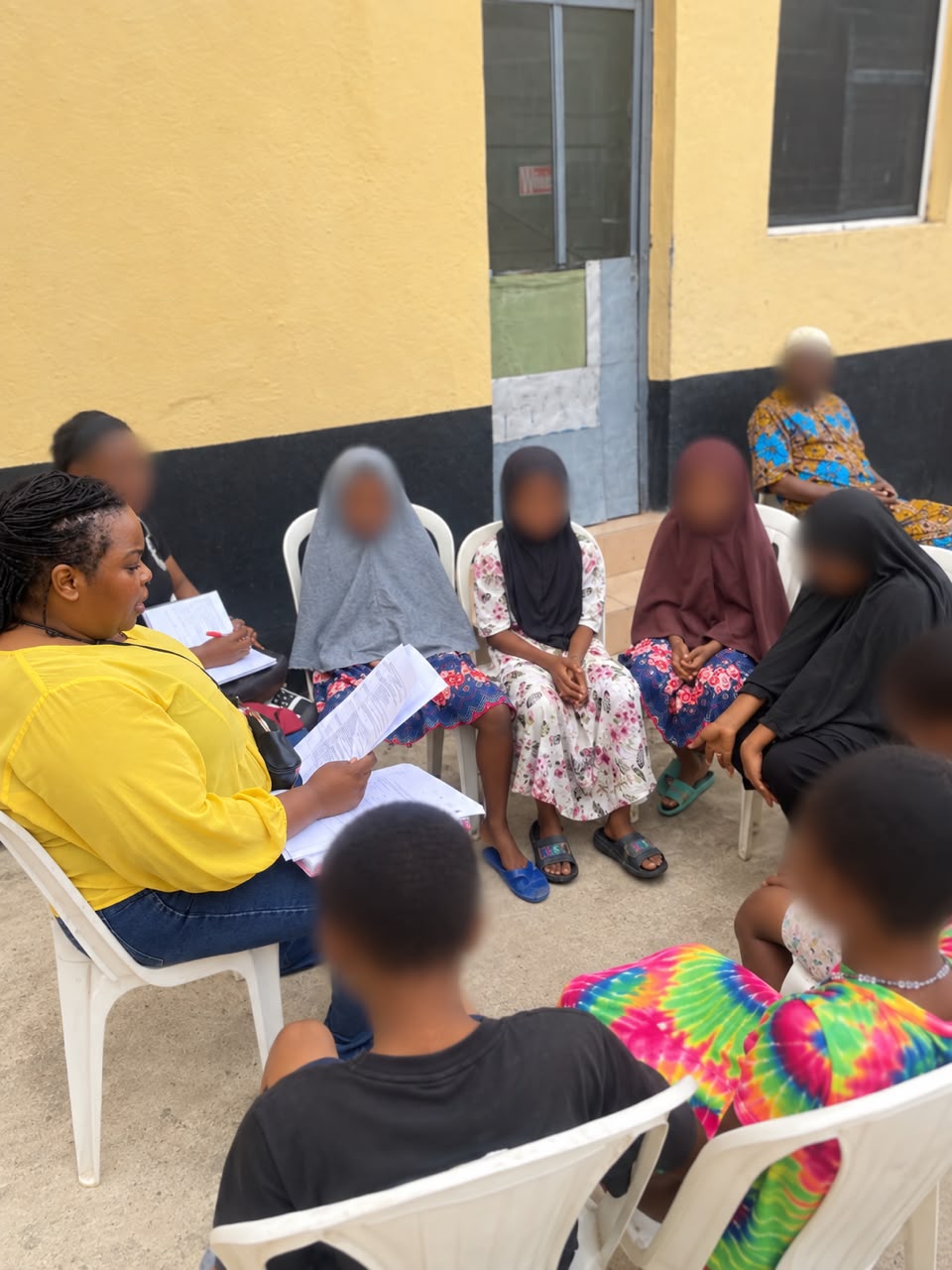
    At Deeds Support Initiative International, we believe prevention is the best protection.

    Today our team engaged a group of amazing girls aged 9-14 on the importance of the HPV vaccine — a safe, effective vaccine that protects against cervical cancer, one of the leading causes of cancer deaths in women in Nigeria.

    We educated them on:

    • What HPV is
    • How it affects women’s health
    • Why getting vaccinated early (between 9-14 years) offers the best protection

    Every girl deserves the chance to grow up healthy, informed, and protected. We are committed to ensuring no girl is left behind.

  • DSII’s Involvement in a Tropical Diseases Project in Lagos

    DSII’s Involvement in a Tropical Diseases Project in Lagos

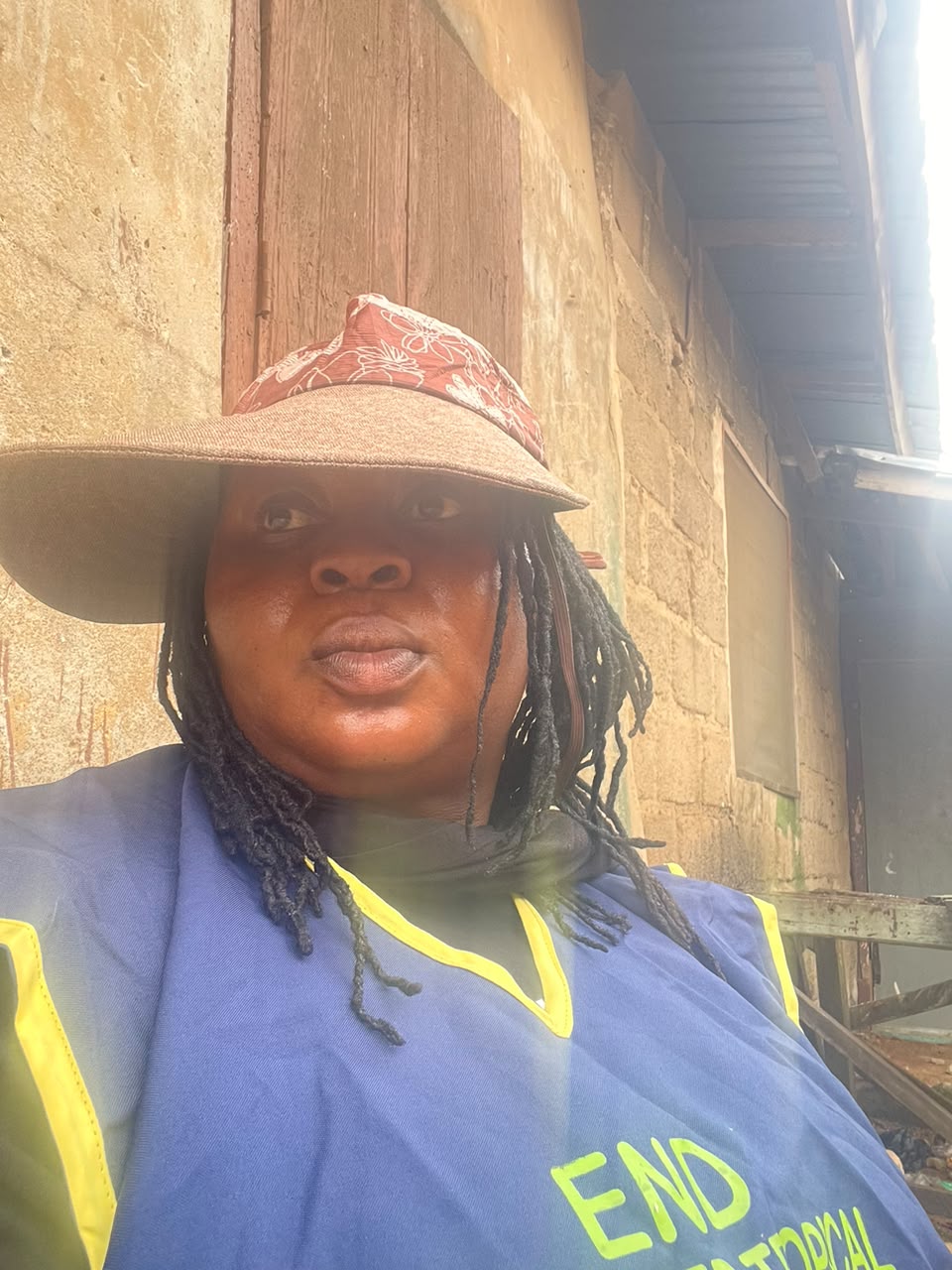
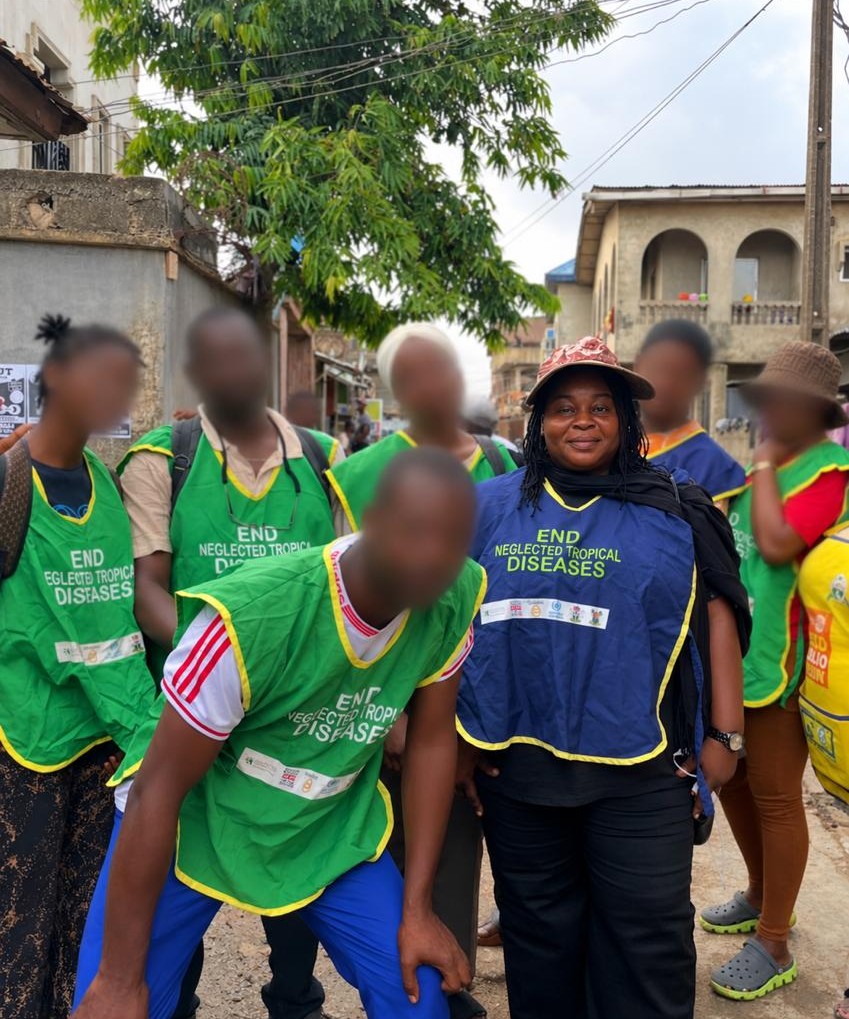
    Deeds Support Initiative International (DSII) participated in a community-based public health project in Lagos focused on tropical and neglected tropical diseases (NTDs). The project promoted disease prevention, hygiene, early recognition of symptoms, and appropriate healthcare-seeking behaviour.

    Through community sensitisation and awareness activities, DSII engaged vulnerable communities with practical health information aimed at reducing the impact of tropical diseases and improving community wellbeing.

    The project strengthened DSII’s experience in community health promotion, awareness creation, stakeholder engagement, and grassroots development.

  • DSII at International Women’s Day 2024: Investing in Women, Accelerating Progress

    DSII at International Women’s Day 2024: Investing in Women, Accelerating Progress

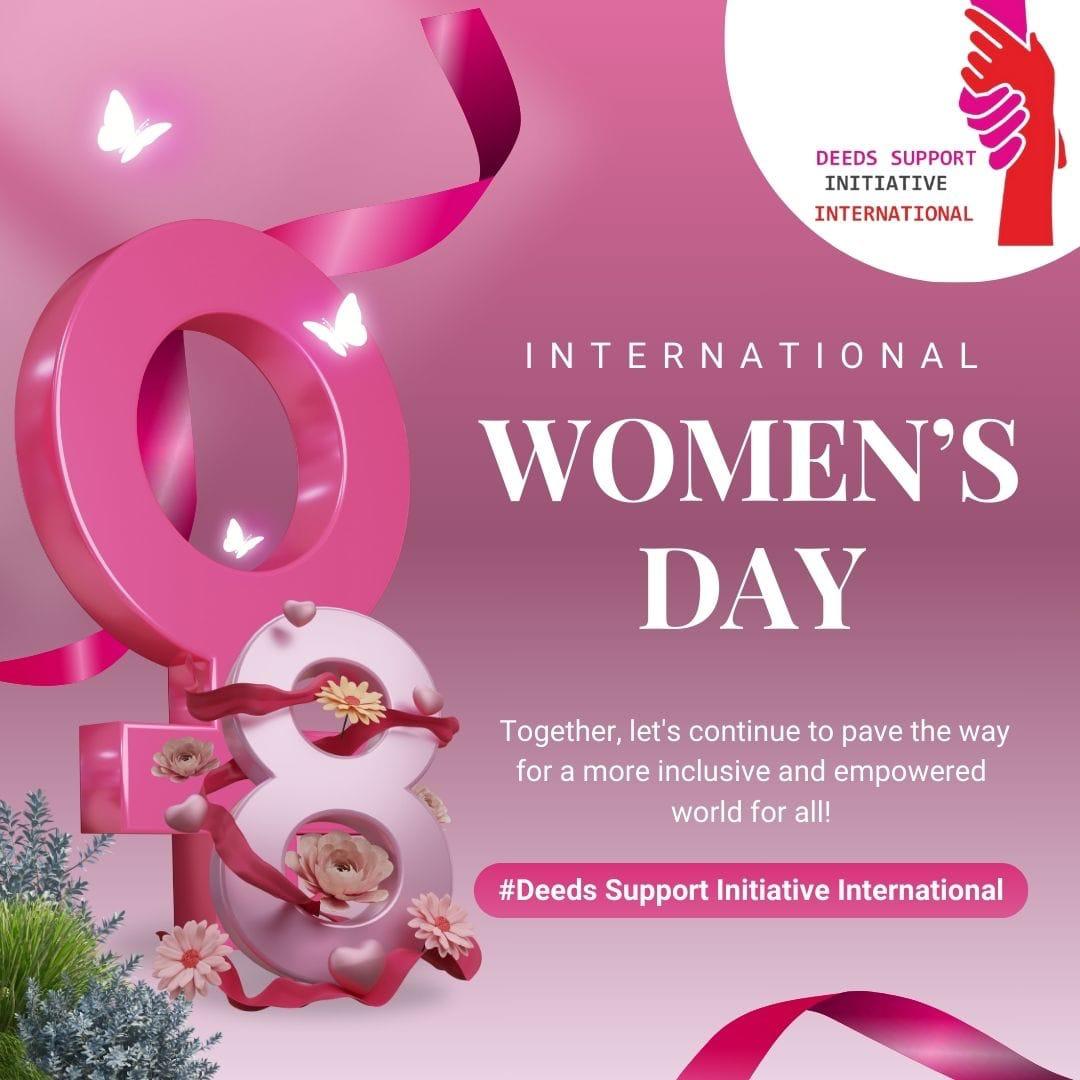
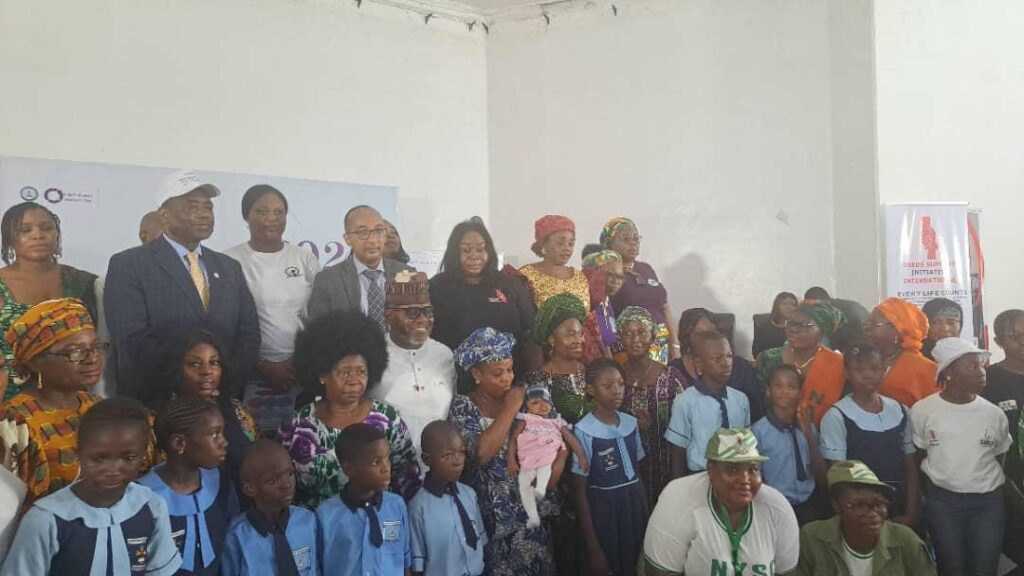
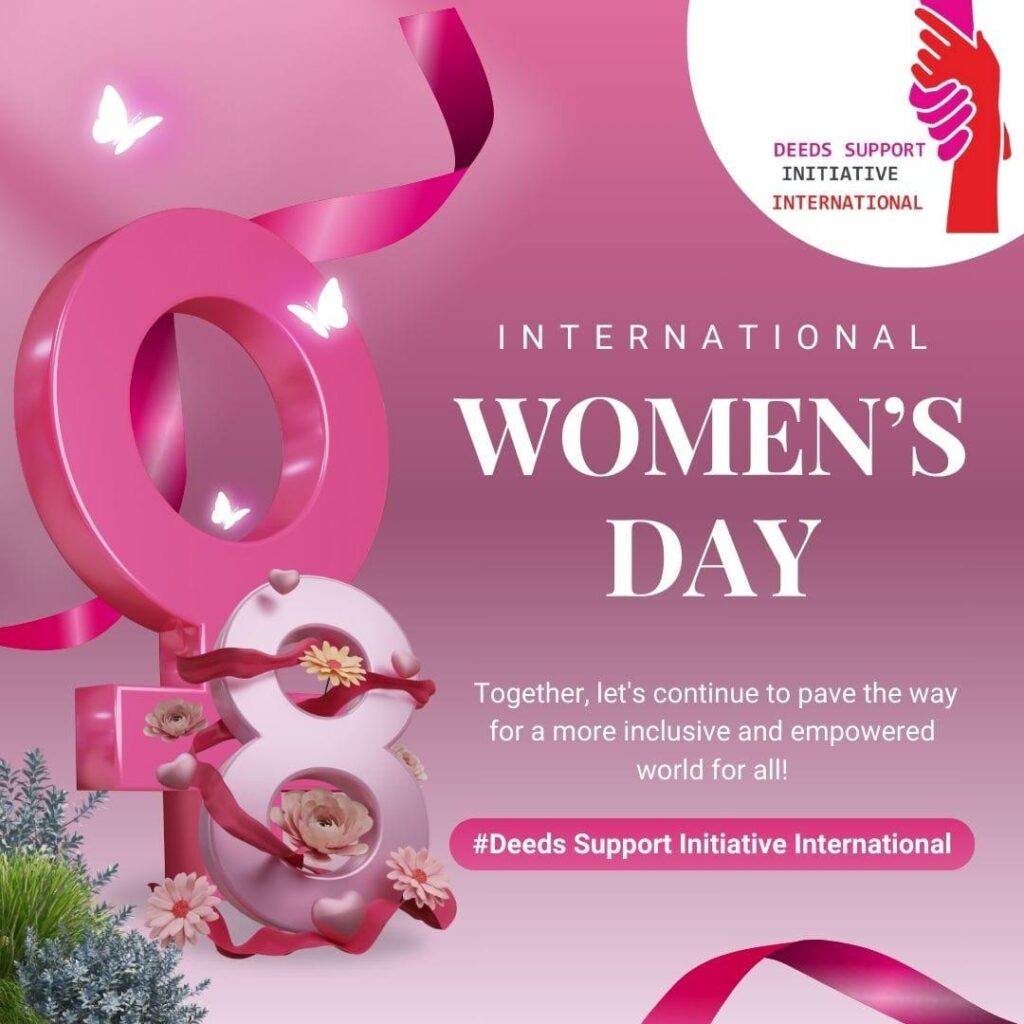
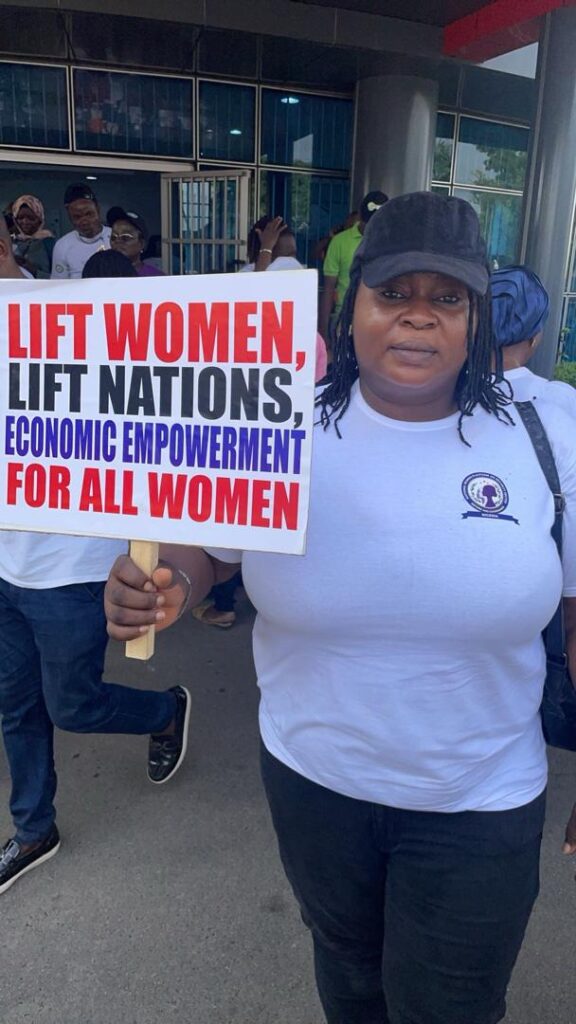
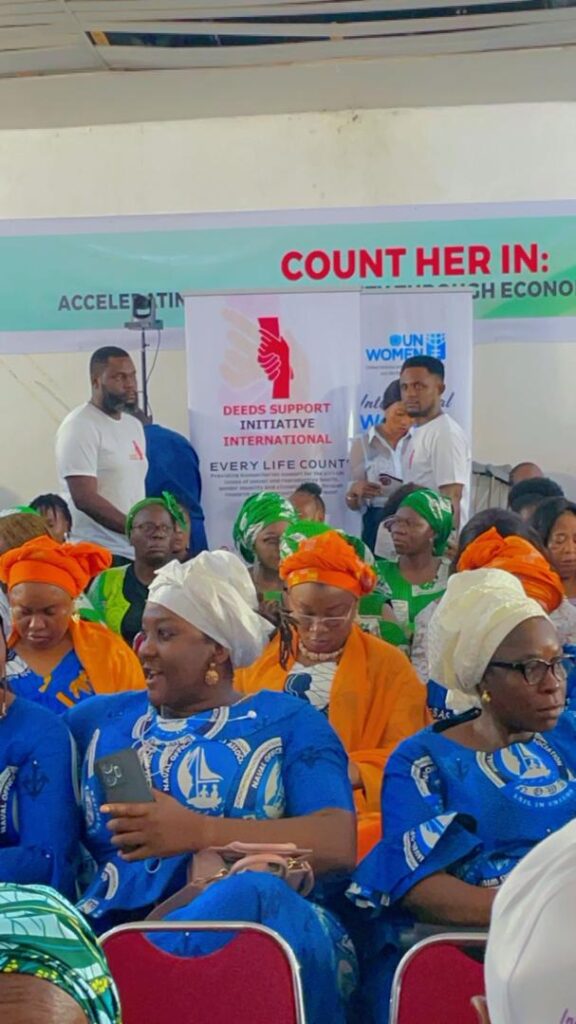
    International Women’s Day 2024 was a moment to celebrate the strength, resilience, and achievements of women around the world. This year’s theme, “Invest in Women: Accelerate Progress,” highlights the importance of supporting women’s empowerment as a pathway to sustainable development.

    DSII was present at the IWD celebration and remains committed to promoting gender equality and creating opportunities that empower women and girls to thrive, lead, and contribute meaningfully to their communities. Through continued support and collaboration, we can accelerate progress toward a more inclusive and equitable future for all.

  • Climate Change and Environmental Awareness Programs in Secondary Schools in the Federal Capital Territory (FCT), Nigeria

    Climate Change and Environmental Awareness Programs in Secondary Schools in the Federal Capital Territory (FCT), Nigeria

    Introduction:

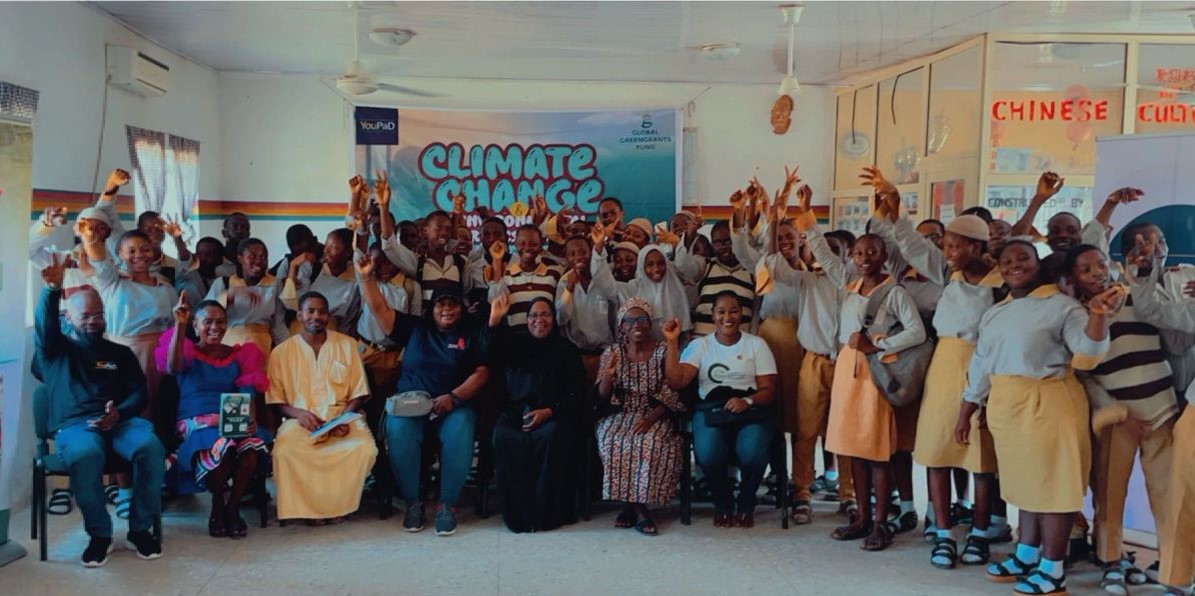
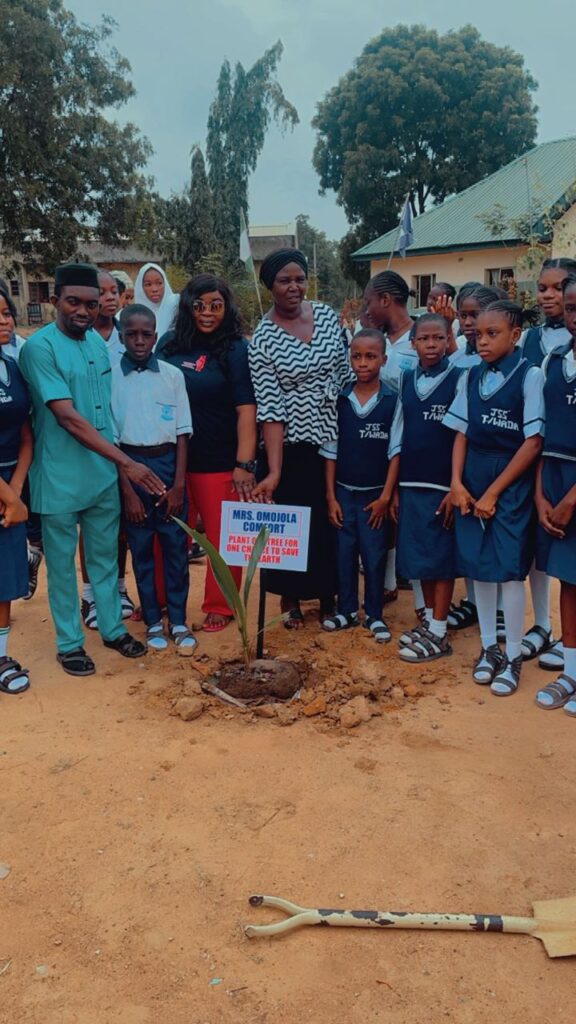
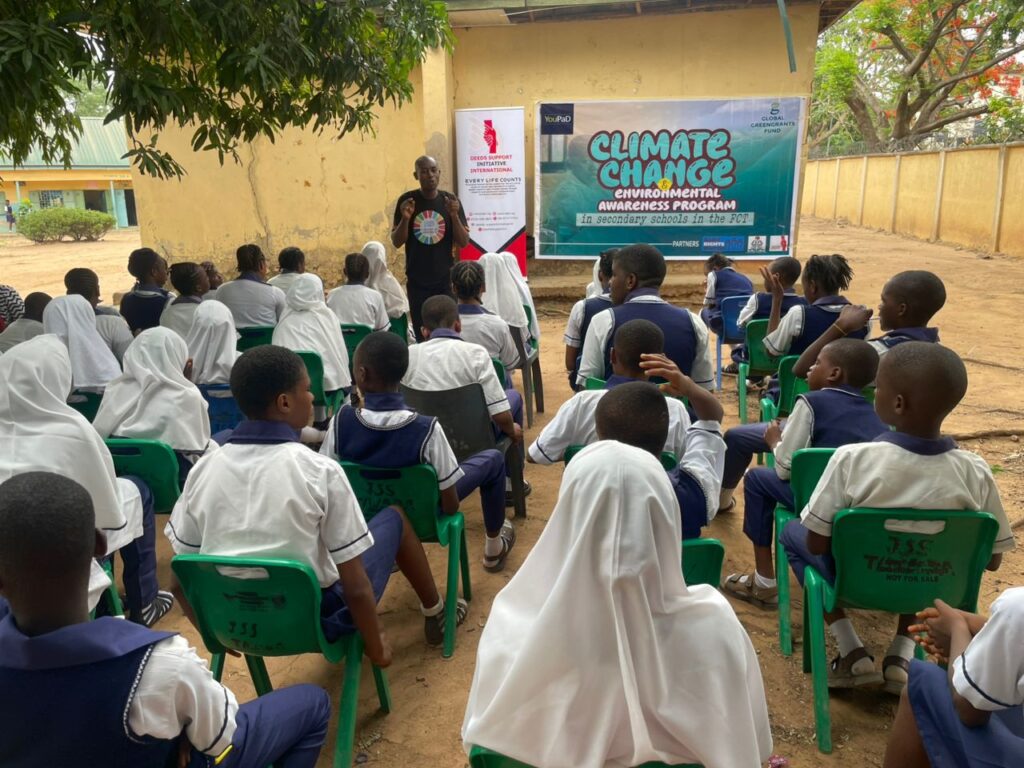
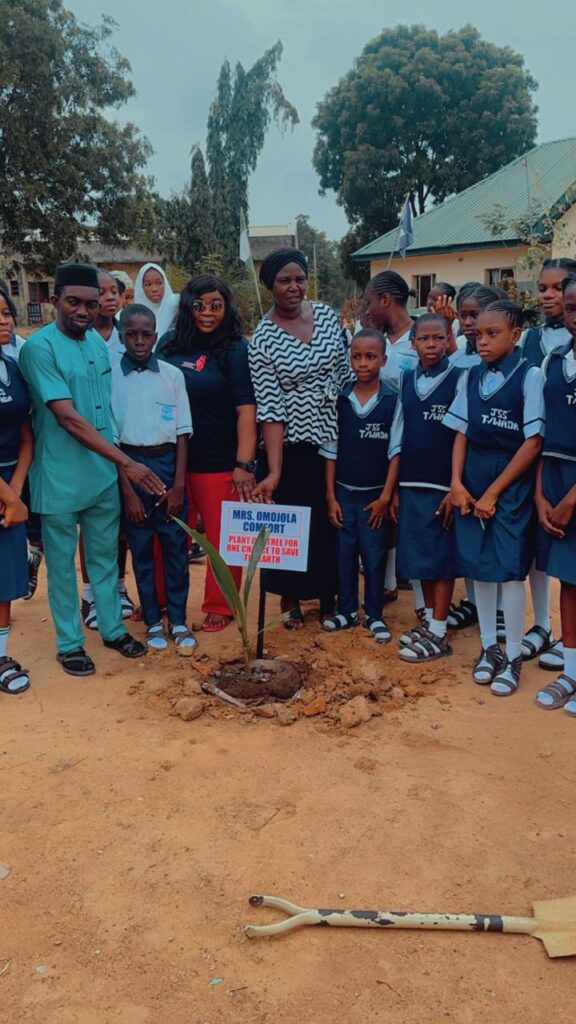
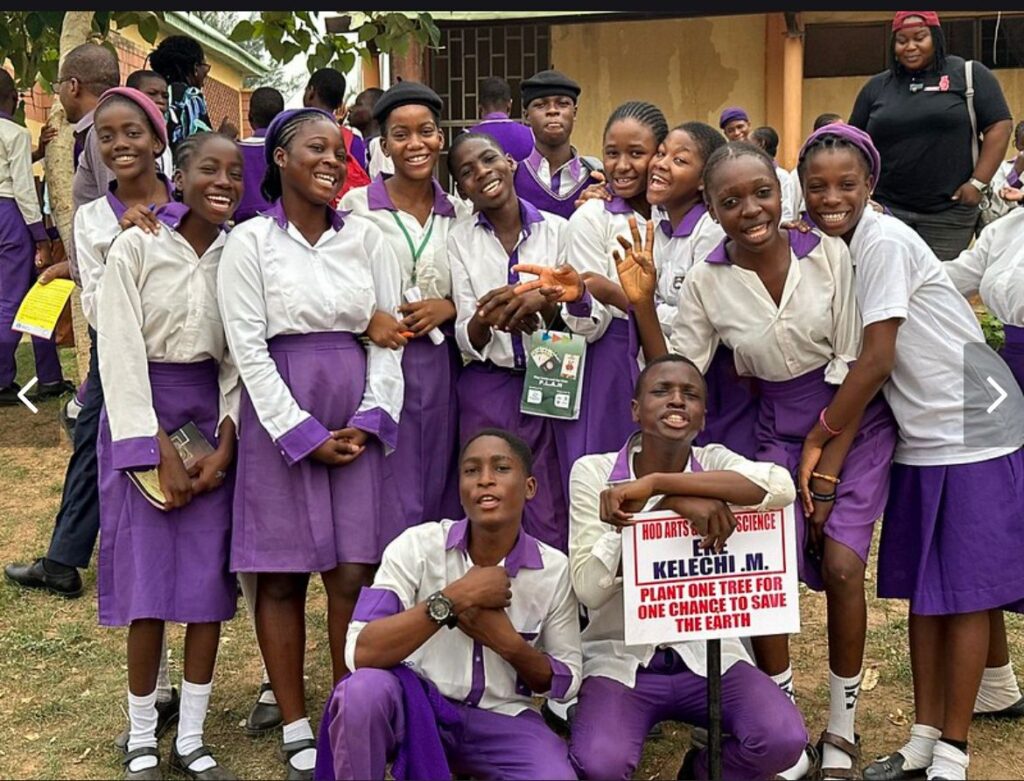
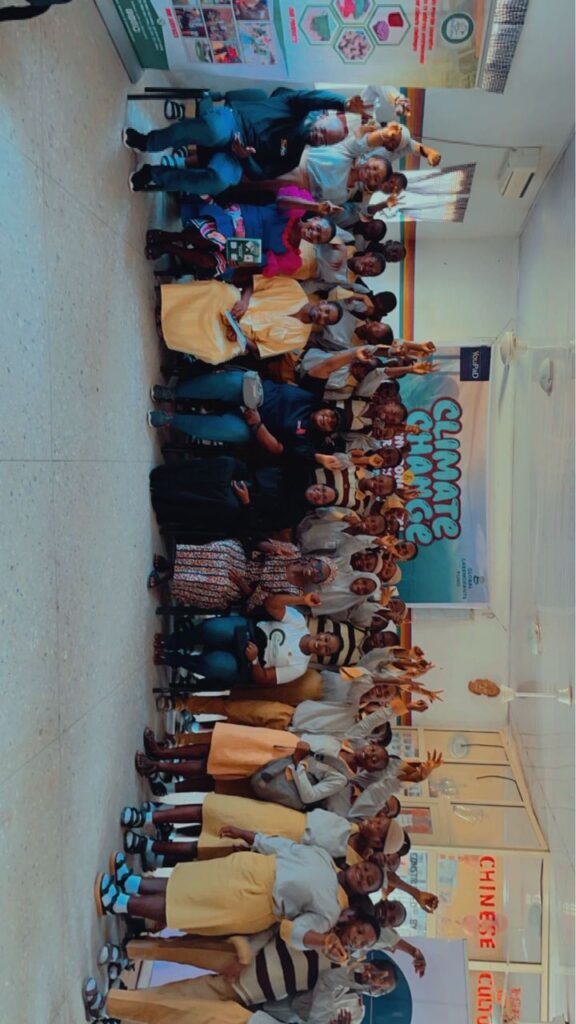
    The purpose of the outreach was to educate students about climate change and environmental awareness. It is essential for children to understand the dangers facing our planet and learn practical ways to prevent further environmental damage.

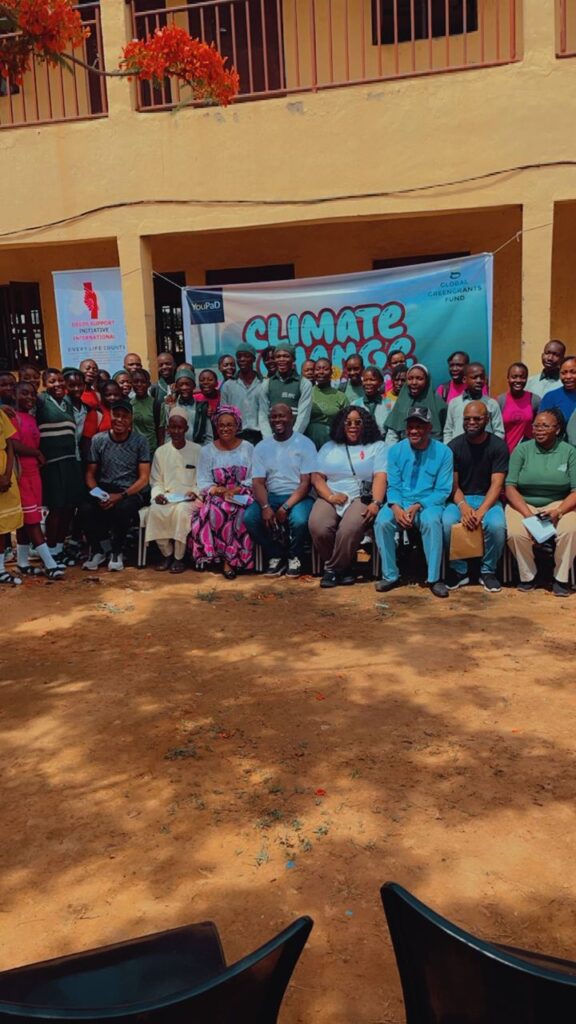
    The outreach was organized by Deeds Support Initiative International in partnership with YOUPAD, Basic Rights Watch, and other collaborators, with sponsorship from GreencardFunds.

    The program reached the following secondary schools:

    • Government Secondary School Tundu Wada, Zone 4 – 7th May 2024
    • Government Secondary School Apo – 8th May 2024

    Program Highlights and Speakers:

    • Austin Ekwujuru opened the session by presenting the meeting objectives and outlining the expectations for the outreach.
    • Mrs. Folasade Adepoju focused on how climate change affects daily life. She introduced students to various aspects of climate change, including its causes, impacts, and mitigation strategies.
    • Mr. Uko N. Walter discussed Integrating Climate Change into the School Curriculum, emphasizing the importance of building a generation of environmentally conscious citizens and preparing students for future challenges.
    • Zainab Yunisa from the Children and Youth Constituency of the UNFCCC provided students with information about opportunities within the UNFCCC Children and Youth Constituency, including scholarships and programs in climate change and environmental studies.
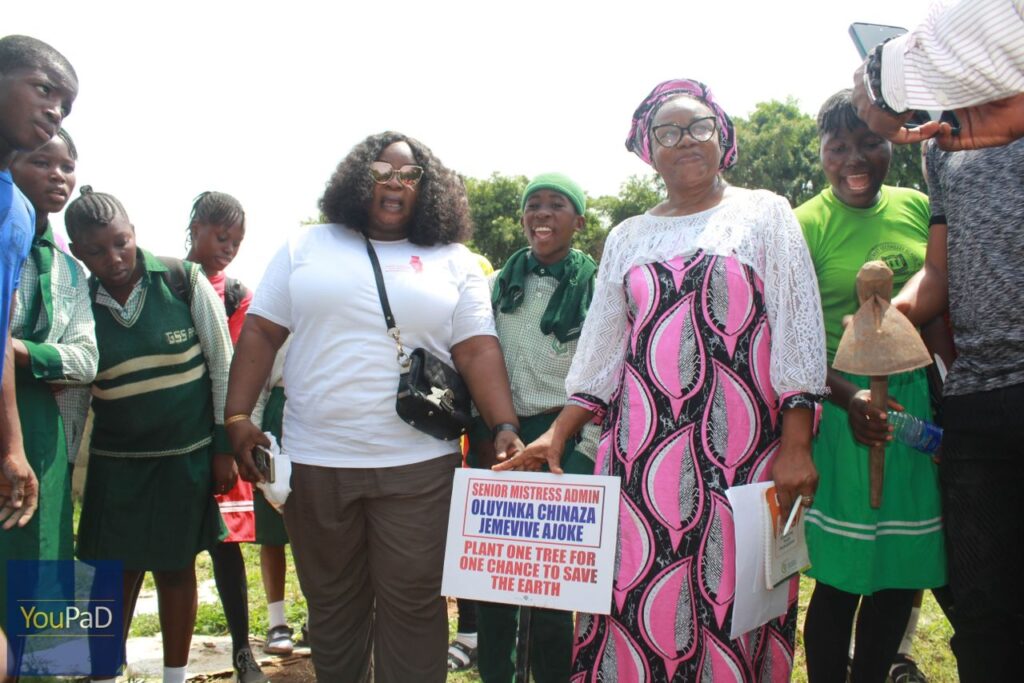
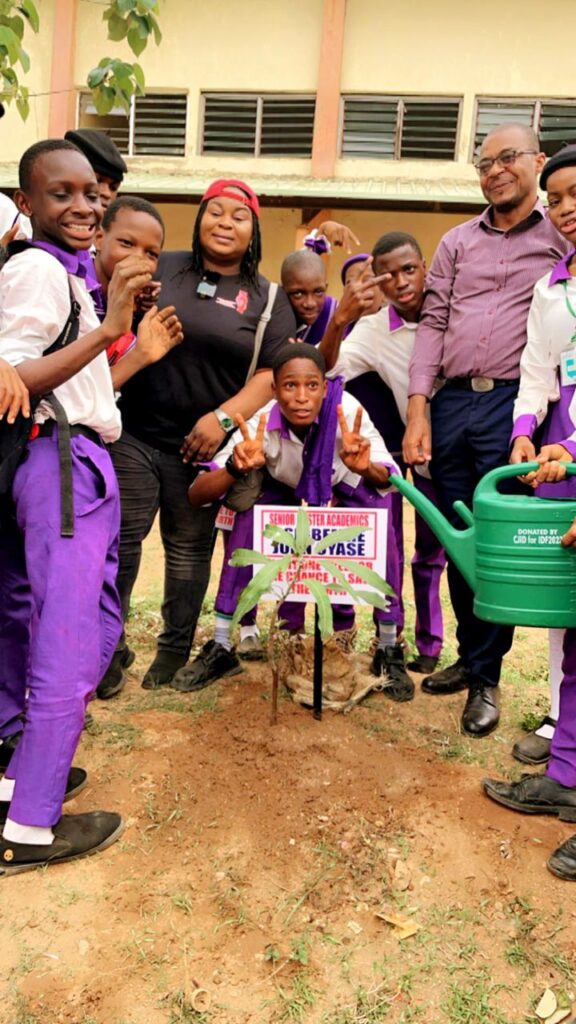
    • Mr. Chidiebere Ugwu presented on Economic Trees and Call to Action, highlighting the importance of the Sustainable Development Goals (SDGs), particularly SDG 1 (No Poverty), SDG 2 (Zero Hunger), and SDG 13 (Climate Action).
    • Emmanuella Dike of Deeds Support Initiative International delivered the closing remarks.

    The program’s key highlights included creating awareness on climate change, the impact of deforestation, renewable energy, waste management, and tree planting initiatives.

    Engagement and Impact:

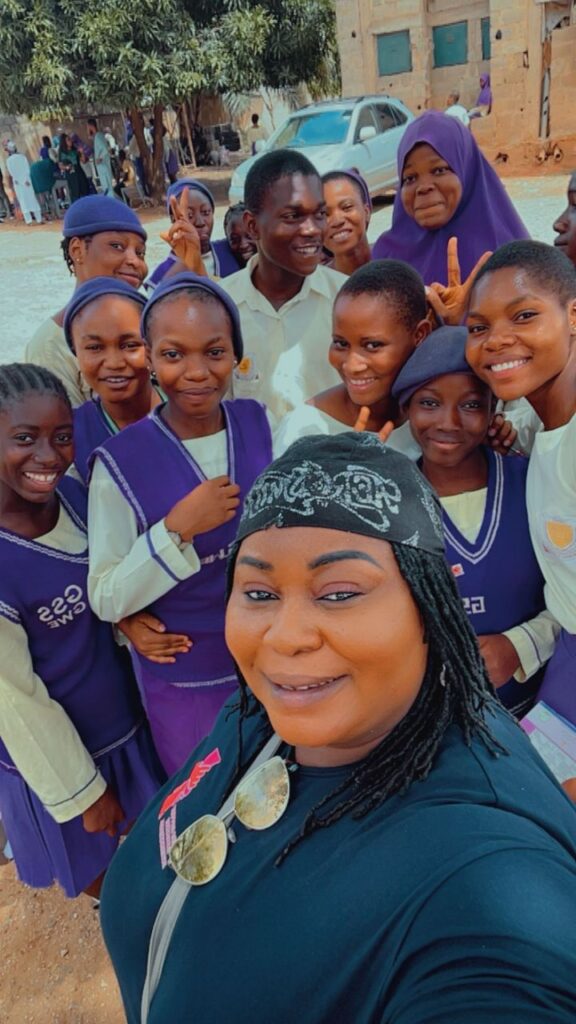
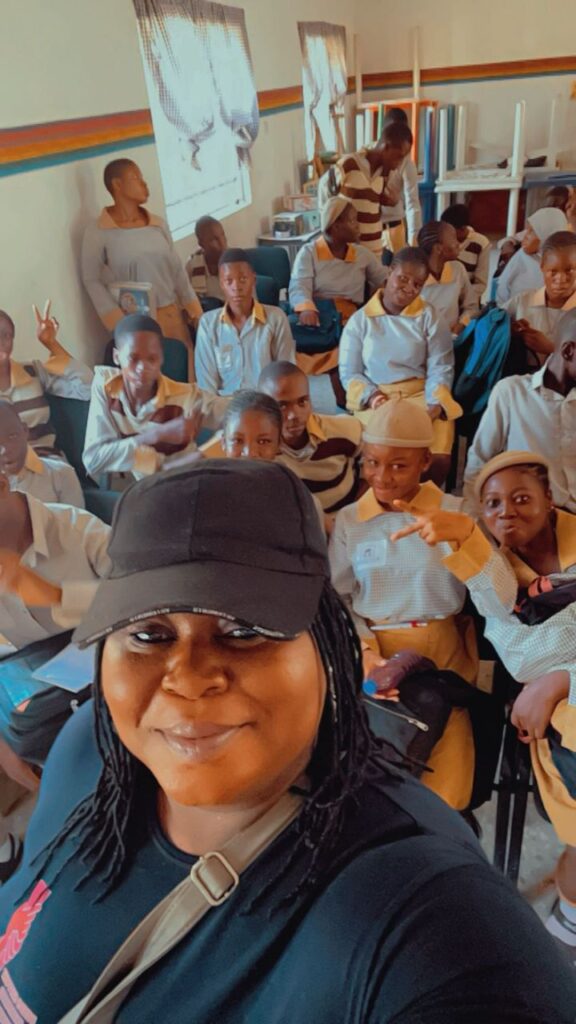
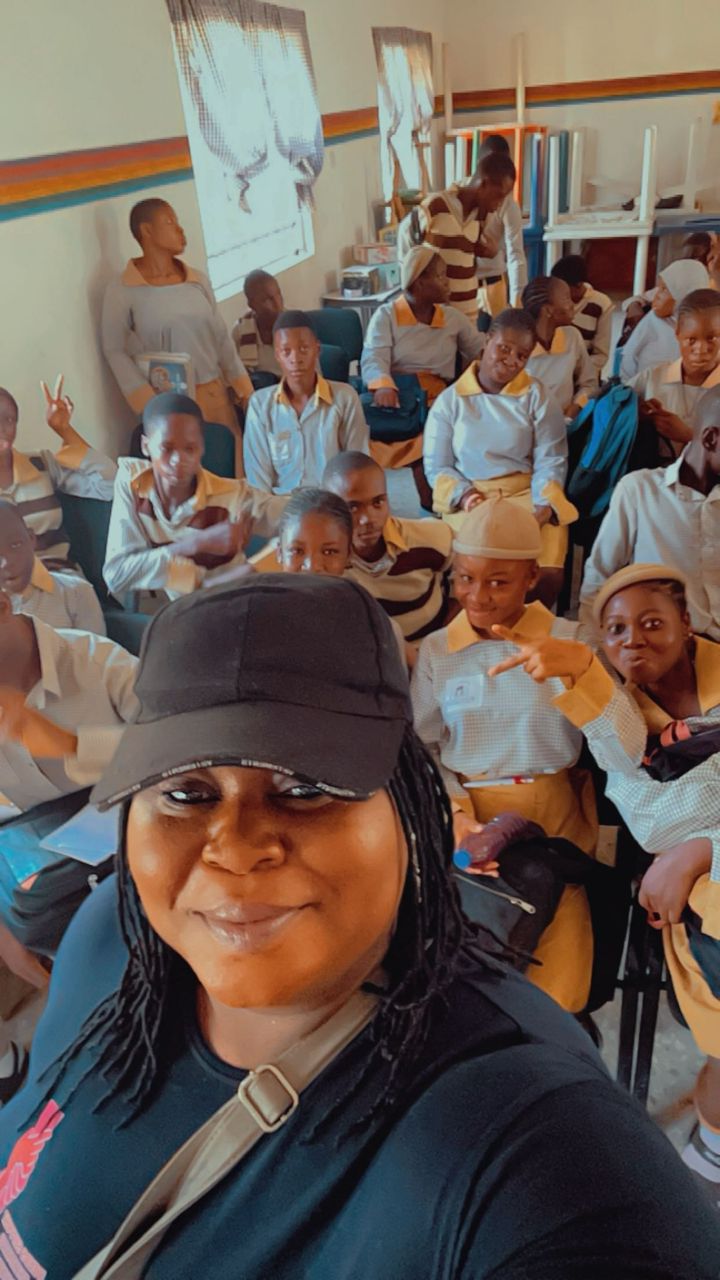
    • It was truly encouraging to see how engaged and passionate the students were during the outreach. They actively participated, asked insightful questions, and demonstrated genuine interest in the topics discussed.
    • From my observations, the program significantly increased awareness, influenced attitudes, and encouraged potential behavioral changes regarding environmental conservation. The students gained valuable knowledge and practical insights that can help them make more environmentally responsible decisions in the future.

    Challenges:

    We encountered a few challenges during the program, including:

    • Scheduling issues: We were unable to bring senior and junior students together at the same time.
    • Resource limitations: There was a lack of resources such as microphones.

    To address these challenges:

    • We conducted two separate sessions to accommodate both senior and junior students.
    • Regarding the microphone issue, we ensured that presenters spoke more audibly so everyone could hear clearly.

    Recommendations:

    • For future outreach program, there is need for incorporating more interactive activities, involving local environmental experts, or extending the duration of the program.
    • Continued education and awareness about climate change and environmental issues in secondary schools are essential, as today’s students are tomorrow’s leaders. Educating them early ensures they develop the knowledge, skills, and responsibility needed to protect the environment and make sustainable decisions in the future.

    Conclusion:

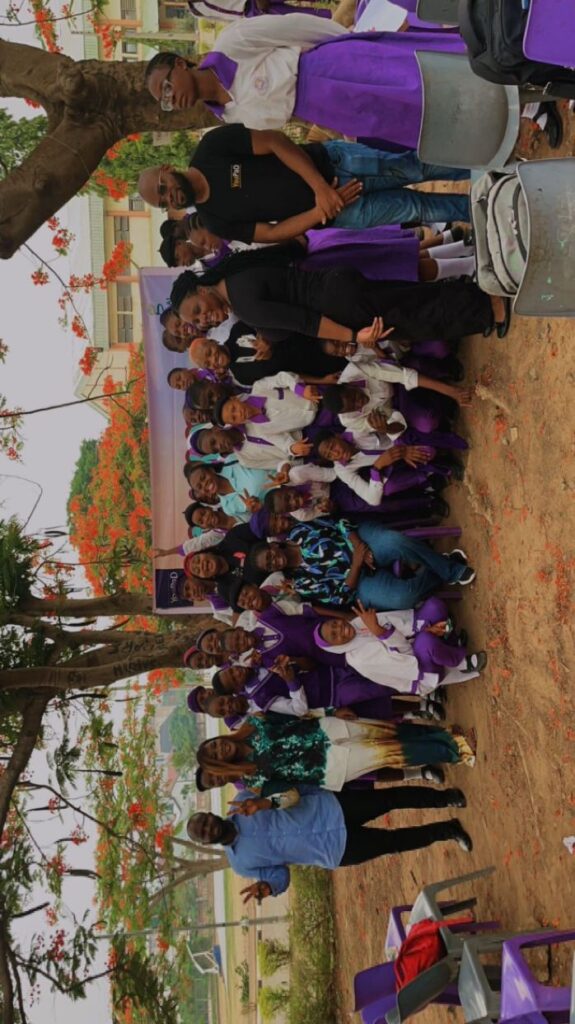
    On behalf of DSII, we express our sincere gratitude to YOUPAD, Government Secondary Schools Tundu Wada and Apo, and the students for their active participation and support.

    Promoting environmentally friendly actions is a crucial step toward mitigating climate change. Since climate change is a global issue, the future of our planet depends on the choices and actions we take today.

  • Normalisation of Sexual Harrassment: A Culture of Silence and Shame

    Normalisation of Sexual Harrassment: A Culture of Silence and Shame

    The Nigerian Senate has been rocked by accusations and counter accusations on sexual harassment. However, the concern here is not about the veracity or otherwise of the claims amongst otherwise Distinguished Senators of the Federal Republic, Rather, it is about the alarming cases of sexual harassment in the country.

    It has become a pervasive and insidious issue perpetuated by a culture of silence, shame, and victim-blaming.

    The normalization of this behavior has transformed our society into one in which even high-profile women are reluctant to speak out against it, fearing repercussion and ridicule.

    The reality is stark. A woman goes to the office of her boss to discuss a project, only to have him make lewd remarks or unwanted advances.

    A student is touched inappropriately by a lecturer, but is too afraid to report it.

    A colleague is sent explicit messages by a superior, but feels pressured to ignore it to avoid being seen as “difficult.”

    When victims do summon the courage to speak out, they are often met with skepticism, hostility, and demands for “proof.” But how can you prove something that happens behind closed doors, or in a crowded bus or market?

    The burden of proof is unfairly placed on the victim, while the perpetrator is protected by power, privilege, and a culture of silence.

    This toxic culture has far-reaching consequences. Victims are left feeling traumatized, ashamed, and powerless. Perpetrators are emboldened, knowing they can act with impunity. And society as a whole is harmed, as talented and capable individuals are driven out of workplaces, schools, and public spaces by the pervasive fear of harassment.

    It is time to challenge this culture of normalization and silence. We must create a society where victims are believed, supported, and empowered to speak out. Where perpetrators are held accountable, regardless of their power or privilege. And where everyone can live, work, and thrive without fear of harassment or abuse.”
    This is not just about women, it is about building a “nation where no one is oppressed” It is about social justice for all.